Blog

Elite Spray Foam Solutions LLC

spray foam insulation company
February 25, 2026
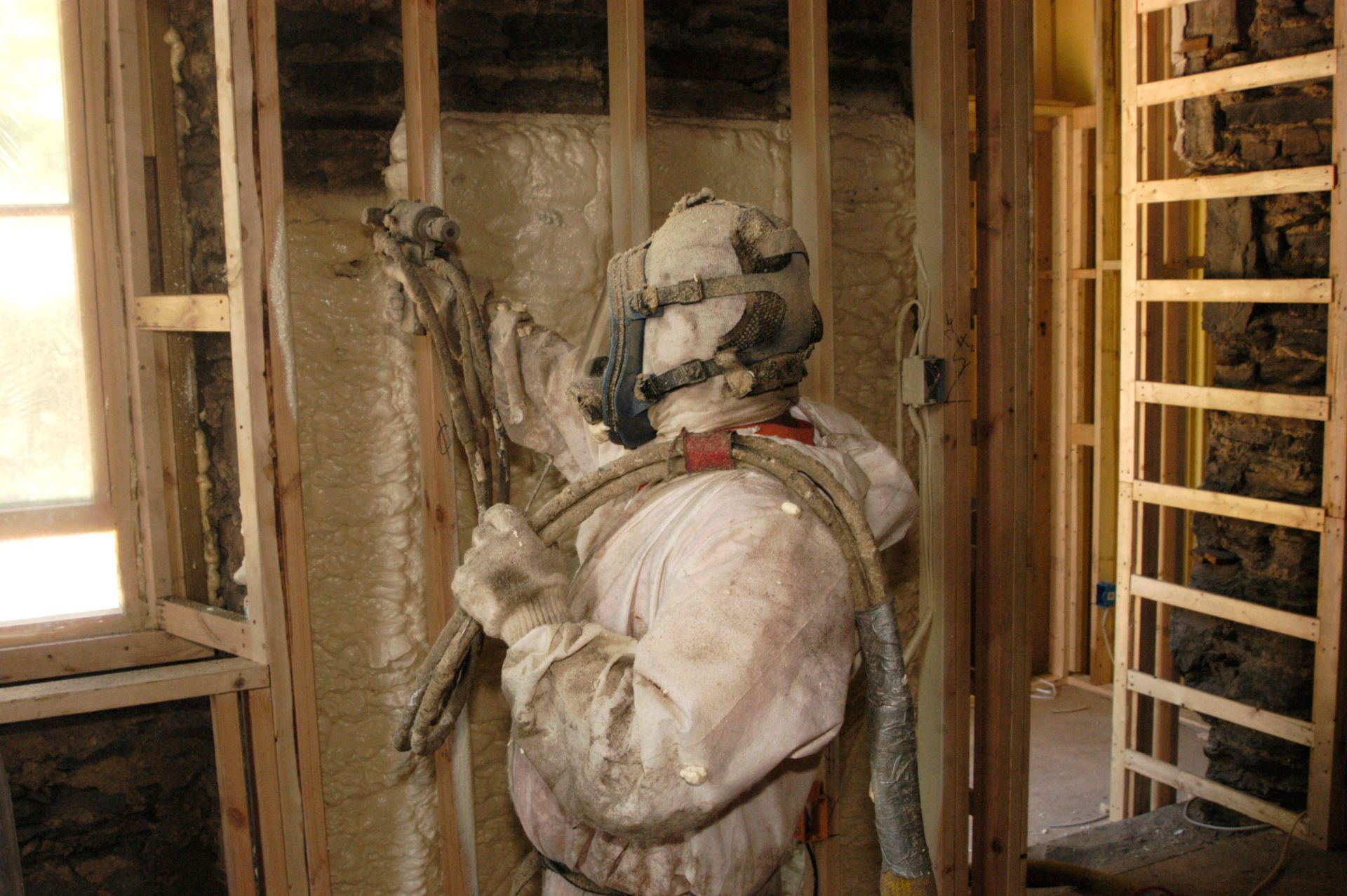
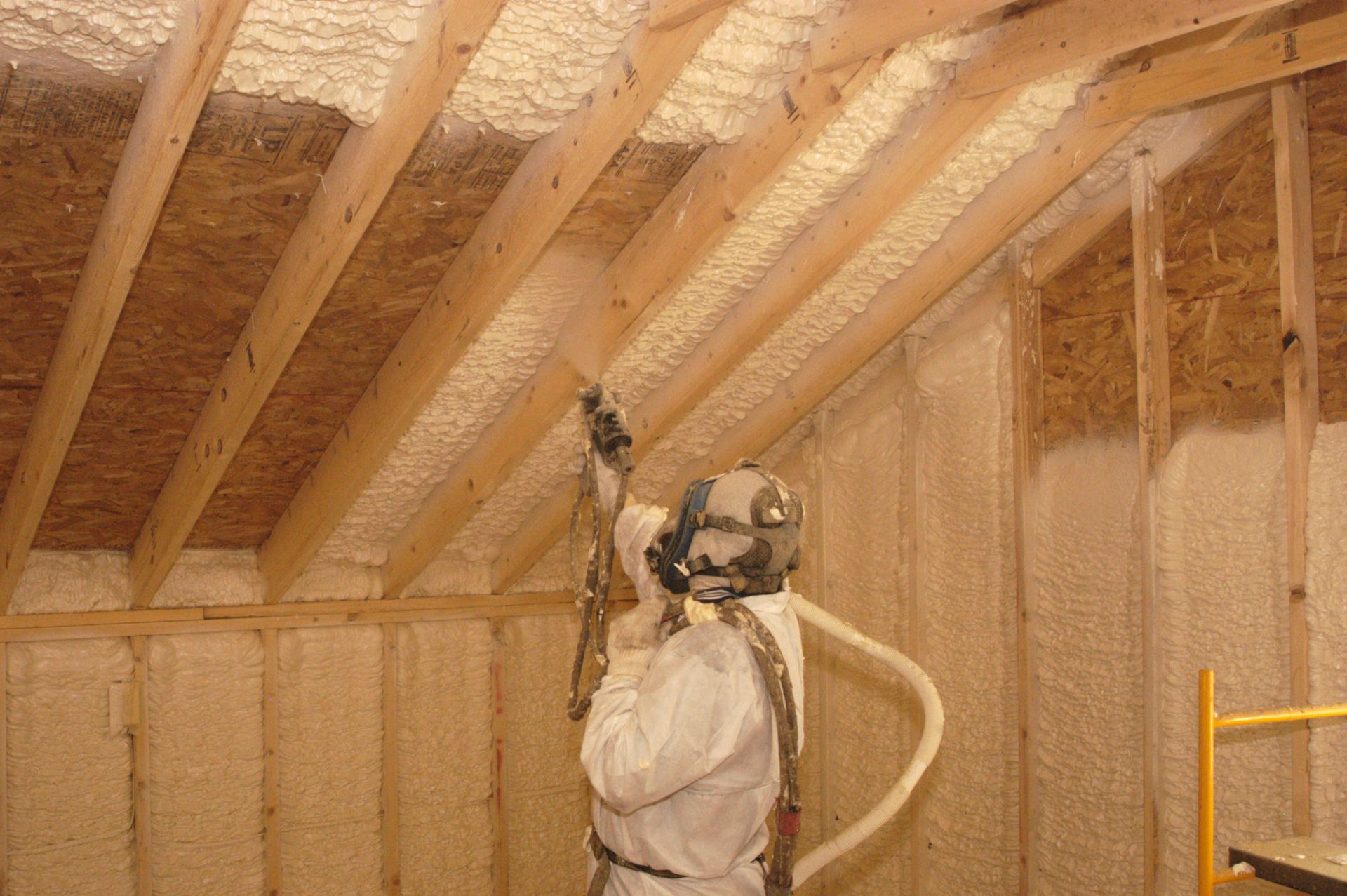
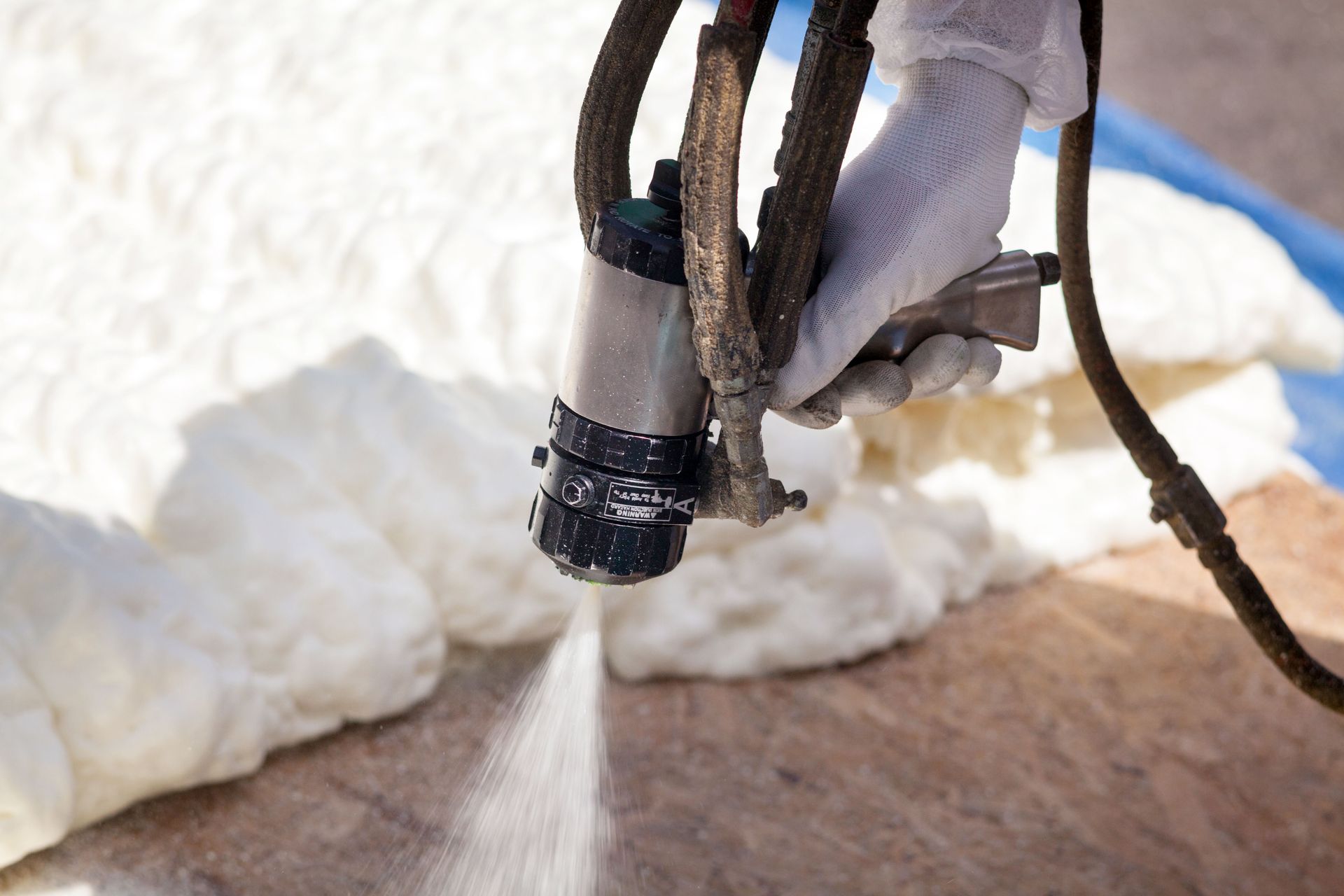
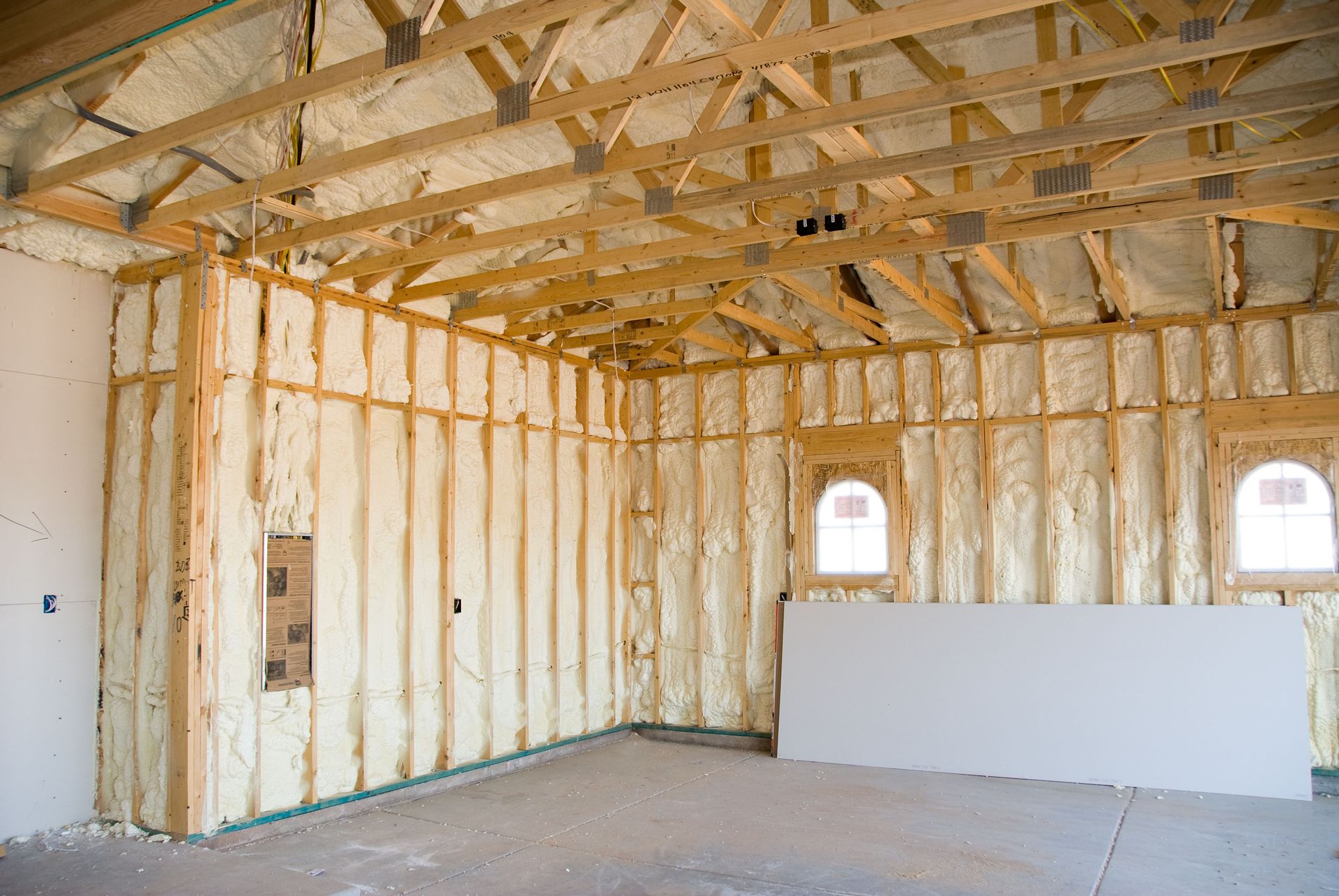
Spray foam insulation has become a widely discussed solution in modern construction due to its ability to combine insulation and air sealing in a single application. As homeowners and commercial property owners look for ways to improve comfort and energy performance, understanding the different types of spray foam insulation is essential. While the term spray foam is often used broadly, there are two primary categories: open-cell and closed-cell foam. Each type offers distinct characteristics that influence how and where it should be installed. Choosing between these options requires a clear understanding of how they perform within a building envelope. A knowledgeable spray foam insulation company can evaluate structural design, climate conditions, and performance goals to recommend the appropriate material. As interest in energy-efficient building solutions continues to grow, spray foam remains a significant part of the conversation. By exploring the features of open-cell and closed-cell spray foam insulation, property owners can make informed decisions that align with both functional needs and long-term expectations. Understanding Open-Cell Spray Foam Insulation and Its Interior Performance Open-cell spray foam insulation is recognized for its lighter density and flexible composition. When applied, it expands considerably, allowing it to fill cracks, seams, and irregular cavities within walls and ceilings. This expansion helps create a continuous insulation layer that reduces unwanted air movement. When installed by an experienced spray foam insulation company, open-cell foam contributes to improved indoor comfort through consistent air sealing. The interconnected cell structure of open-cell foam gives it a softer texture after curing. This flexibility allows it to adjust to minor structural shifts without separating from framing members. Because of this adaptable quality, open-cell spray foam insulation is often used in interior wall cavities, attic spaces, and other enclosed areas where flexibility supports long-term performance. In addition to thermal insulation, open-cell foam is frequently selected for its sound-dampening properties. Its porous structure helps absorb airborne noise, reducing sound transfer between rooms and from exterior environments. In residential settings, this can create quieter living areas. In commercial environments, it can support improved acoustics within offices or shared workspaces. Many property owners consult a spray foam insulation company to address both insulation efficiency and sound control within a single installation. Open-cell foam also integrates well into various building designs. Its ability to expand and conform to irregular framing allows it to adapt effectively during both new construction and renovation projects. Once cured, it can be trimmed flush with studs or joists, preparing the surface for finishing materials. For projects emphasizing interior comfort and adaptability, open-cell spray foam insulation provides a dependable and versatile solution. Understanding Closed-Cell Spray Foam Insulation and Its High-Performance Strength Closed-cell spray foam insulation represents the denser and more rigid option among the two primary spray foam types. Its compact cellular structure creates a firm material once cured, forming a solid insulation layer that adheres tightly to framing and sheathing surfaces. When applied by a qualified spray foam insulation company, closed-cell foam provides both insulation and reinforcement within wall and roof assemblies. One of the defining characteristics of closed-cell spray foam is its higher R-value per inch compared to open-cell foam. This increased thermal resistance allows it to deliver strong insulation performance even in thinner wall cavities or areas with limited space. For projects where maximizing insulation value within confined assemblies is essential, closed-cell foam is often recommended by a spray foam insulation company. Closed-cell foam also serves as a barrier against moisture movement. Its tightly sealed cell structure limits vapor transmission, helping protect structural components from unwanted moisture exposure. In basements, crawl spaces, and exterior-facing walls, this added resistance supports long-term durability. Property owners frequently rely on a spray foam insulation company to evaluate where closed-cell foam can offer enhanced protection within their building envelope. Comparing Open-Cell and Closed-Cell Spray Foam Insulation for Practical Applications Although both open-cell and closed-cell spray foam insulation expand to create an air-sealed barrier, their performance characteristics differ in meaningful ways. Open-cell foam emphasizes flexibility and sound absorption, while closed-cell foam focuses on higher thermal resistance and moisture limitation. Understanding these differences helps property owners determine which material aligns with their building goals. In some projects, a spray foam insulation company may recommend using both types strategically within the same structure. For example, open-cell foam may be installed in interior wall cavities to reduce sound transmission, while closed-cell foam may be used along exterior walls or roof decks where higher insulation value and moisture control are desired. This tailored approach allows each type of foam to perform where it is most effective. As interest in energy-efficient construction continues to grow, spray foam insulation remains a central topic in building conversations. According to Verified Market Research, North America commands approximately 40% of the global spray foam insulation market. This substantial market share reflects widespread adoption of spray foam solutions and increasing awareness of their performance advantages. Many property owners turn to a spray foam insulation company to better understand how these two foam types can enhance long-term efficiency and structural integrity. Selecting the appropriate insulation is not solely about R-value; it is also about how the material interacts with the overall building design. Factors such as climate, building layout, and intended use all influence whether open-cell or closed-cell foam is more appropriate. Consulting with an experienced spray foam insulation company provides clarity and ensures the selected solution aligns with both performance goals and structural requirements. Evaluating Long-Term Performance and Building Envelope Benefits Both open-cell and closed-cell spray foam insulation are designed to become integrated components of the building envelope. Unlike some traditional insulation materials that may shift or settle, spray foam adheres directly to substrates and maintains its position within cavities over time. This stability supports consistent thermal performance and sustained air sealing. When properly installed by a reputable spray foam insulation company, either foam type can deliver long-lasting results. Professional application ensures uniform thickness, thorough coverage, and proper curing conditions. These factors directly influence how effectively the insulation performs year after year. Long-term building performance often depends on minimizing air leakage and moisture movement. Open-cell foam supports interior air sealing and acoustic control, while closed-cell foam enhances insulation value and vapor resistance. Together, these capabilities contribute to a more controlled and efficient indoor environment. As building standards evolve and efficiency expectations rise, understanding insulation options becomes increasingly important. Spray foam insulation continues to stand out because of its ability to address multiple performance goals within one system. Whether focusing on flexibility and sound reduction or prioritizing strength and moisture resistance, selecting the correct foam type is essential to achieving desired outcomes. Open-cell and closed-cell spray foam insulation each offer distinct performance characteristics that serve different building needs. Open-cell foam provides flexibility, air sealing, and sound absorption that enhance interior comfort. Closed-cell foam delivers higher thermal resistance, moisture limitation, and structural reinforcement where additional durability is required. Understanding these differences allows property owners to make informed decisions that align with their construction or renovation objectives. Working with a knowledgeable spray foam insulation company ensures that insulation is applied strategically and professionally, maximizing both immediate and long-term performance. Contact Elite Spray Foam Solutions LLC today to schedule a consultation and determine which solution is right for your home or commercial property.
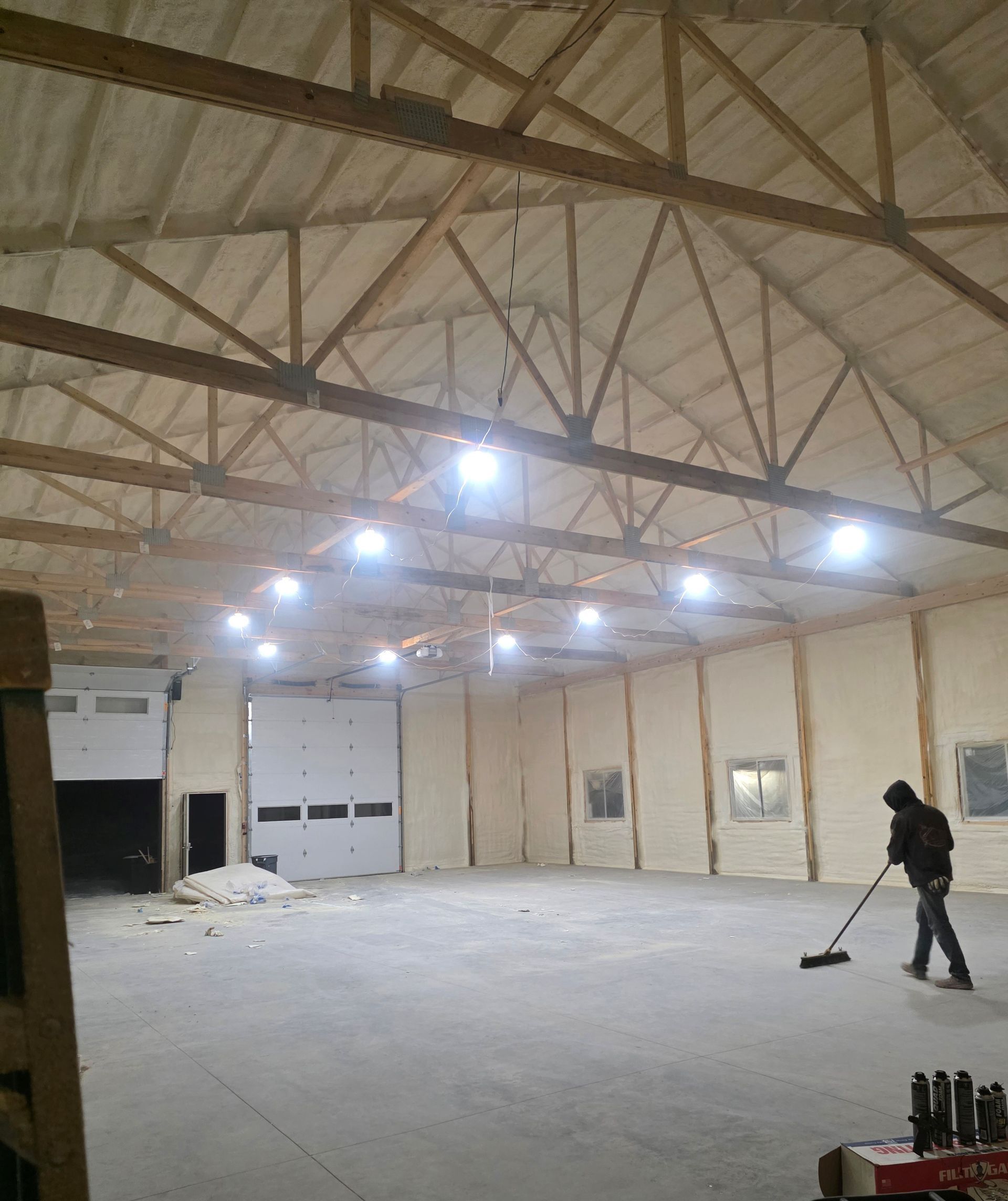
spray foam insulation contractor
January 20, 2026
Let's learn why spray foam insulation is growing fast and what factors are driving its increasing demand. Reach out to a spray foam insulation contractor today!
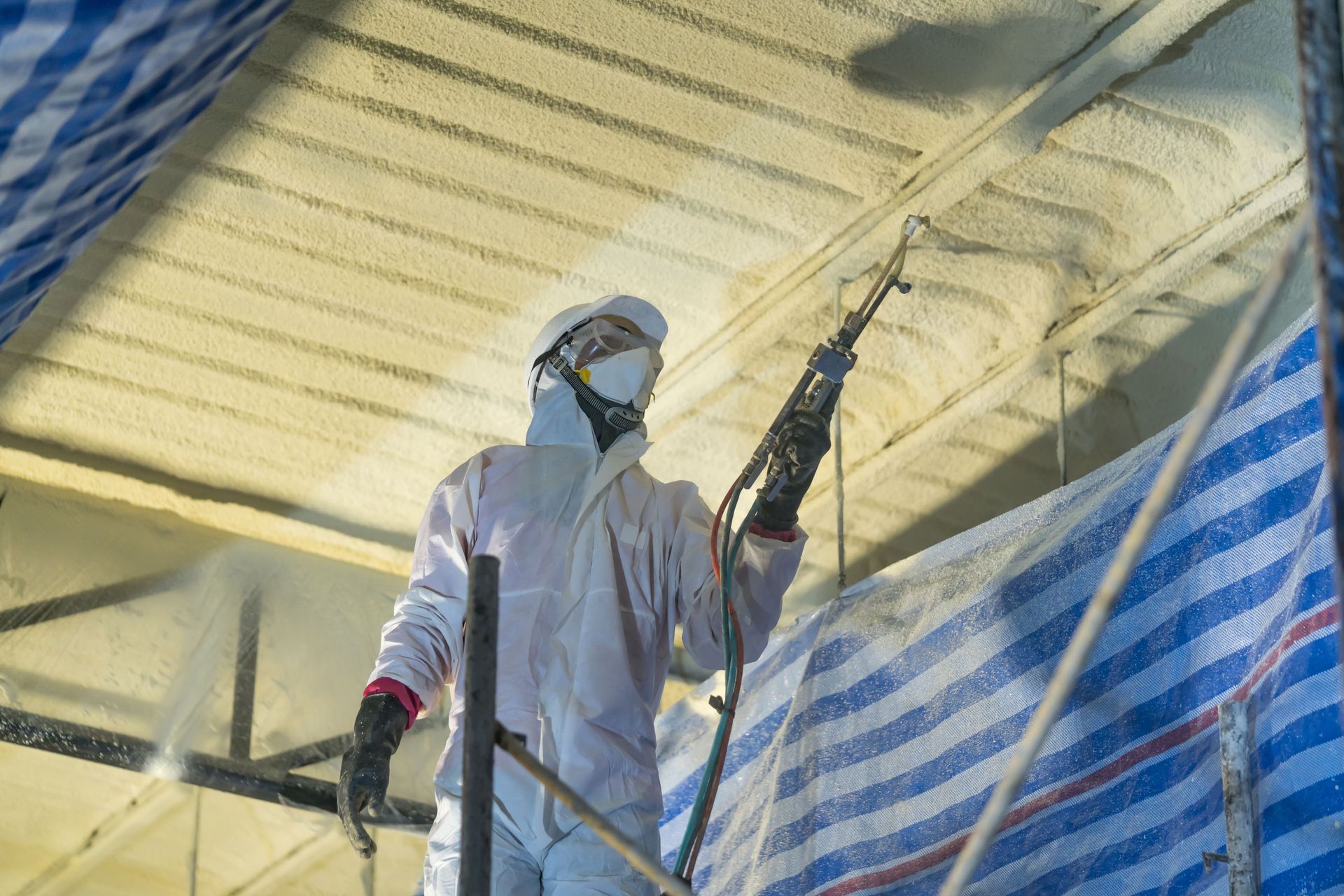
spray foam insulation contractors
January 13, 2026
By understanding how spray foam insulation contractors complete each step, you can make more confident decisions about improving your home.
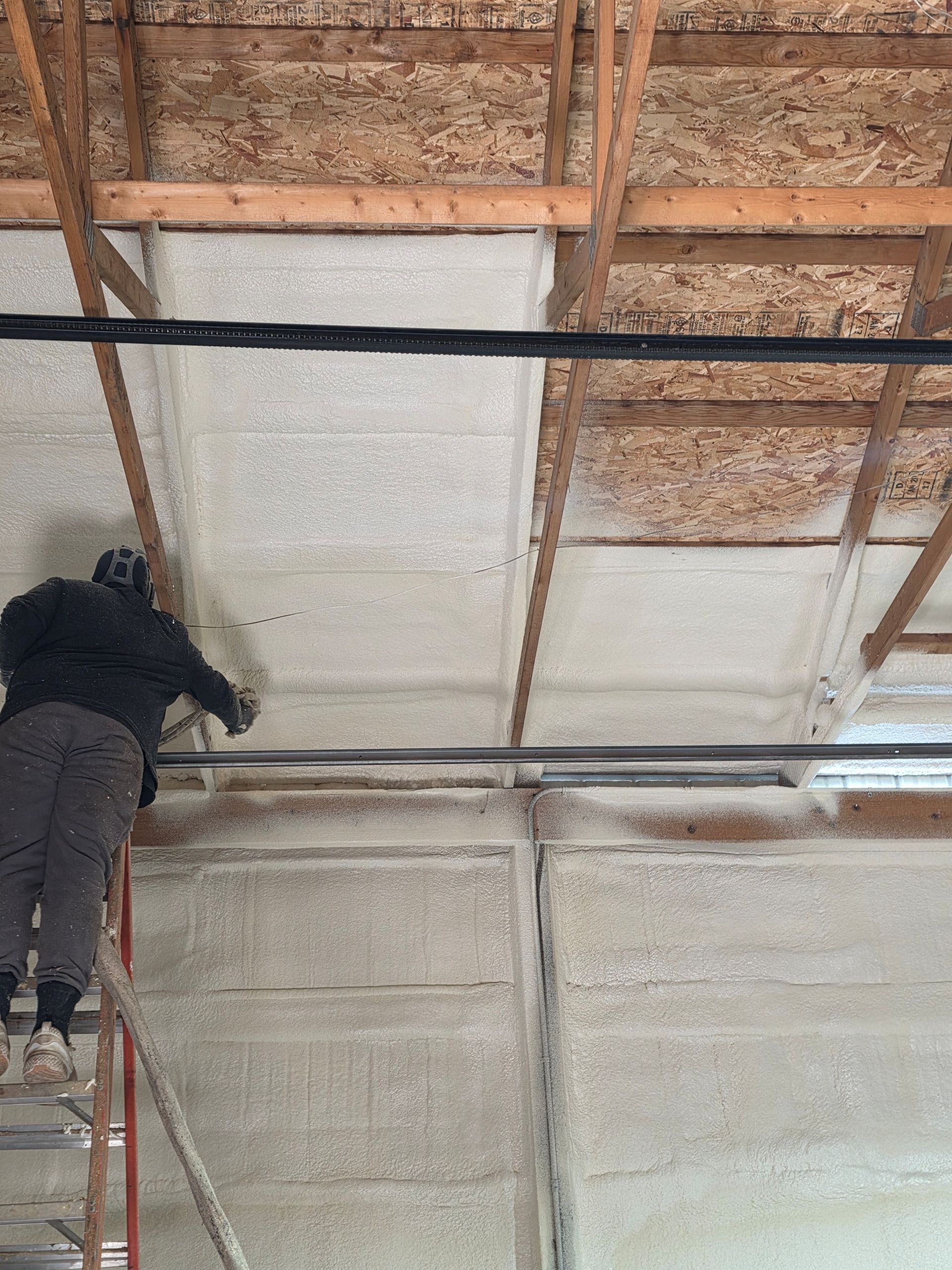
spray foam insulation
June 30, 2025
Are you considering spray foam insulation? To learn about its benefits, read on or contact Elite Spray Foam Solutions LLC today!
spray foam insulation
January 6, 2025
Open- and closed-cell spray foam insulation each has distinct benefits. Here's how insulation contractors can help you choose the best one for your needs!
commercial insulation
August 7, 2024
Are you looking for commercial insulation? Here are some reasons why it's important to invest in upgraded commercial insulation.