January 20, 2026
Energy efficiency, indoor comfort, and long-term cost control have become major priorities for homeowners and property owners across the country. As building standards evolve and energy costs continue to fluctuate, insulation choices are receiving more attention than ever before. Among the available options, spray foam insulation has gained significant momentum for its performance, versatility, and ability to address common efficiency challenges in modern and older structures alike.
Unlike traditional insulation materials, spray foam creates an air-tight seal that helps control temperature, moisture, and air movement more effectively. This performance advantage has contributed to its rapid growth in both residential and commercial construction. In this article, we'll explain why spray foam insulation is growing fast and what factors are driving its increasing demand.
Energy Efficiency Improvements
One of the biggest reasons spray foam insulation is gaining traction is its ability to improve energy efficiency. As energy costs rise, homeowners are looking for solutions that reduce heating and cooling demands without sacrificing comfort. Spray foam insulation expands to fill gaps, cracks, and voids that other materials often miss.
This continuous seal reduces air leakage, which is a major source of energy loss in buildings. By minimizing drafts and heat transfer, spray foam helps HVAC systems operate more efficiently. Over time, this can lead to noticeable reductions in energy consumption and utility expenses.
Energy efficiency has also become a selling point in real estate. Homes with better insulation performance often appeal to buyers who value lower operating costs and consistent indoor temperatures.
Enhanced Air Sealing Performance
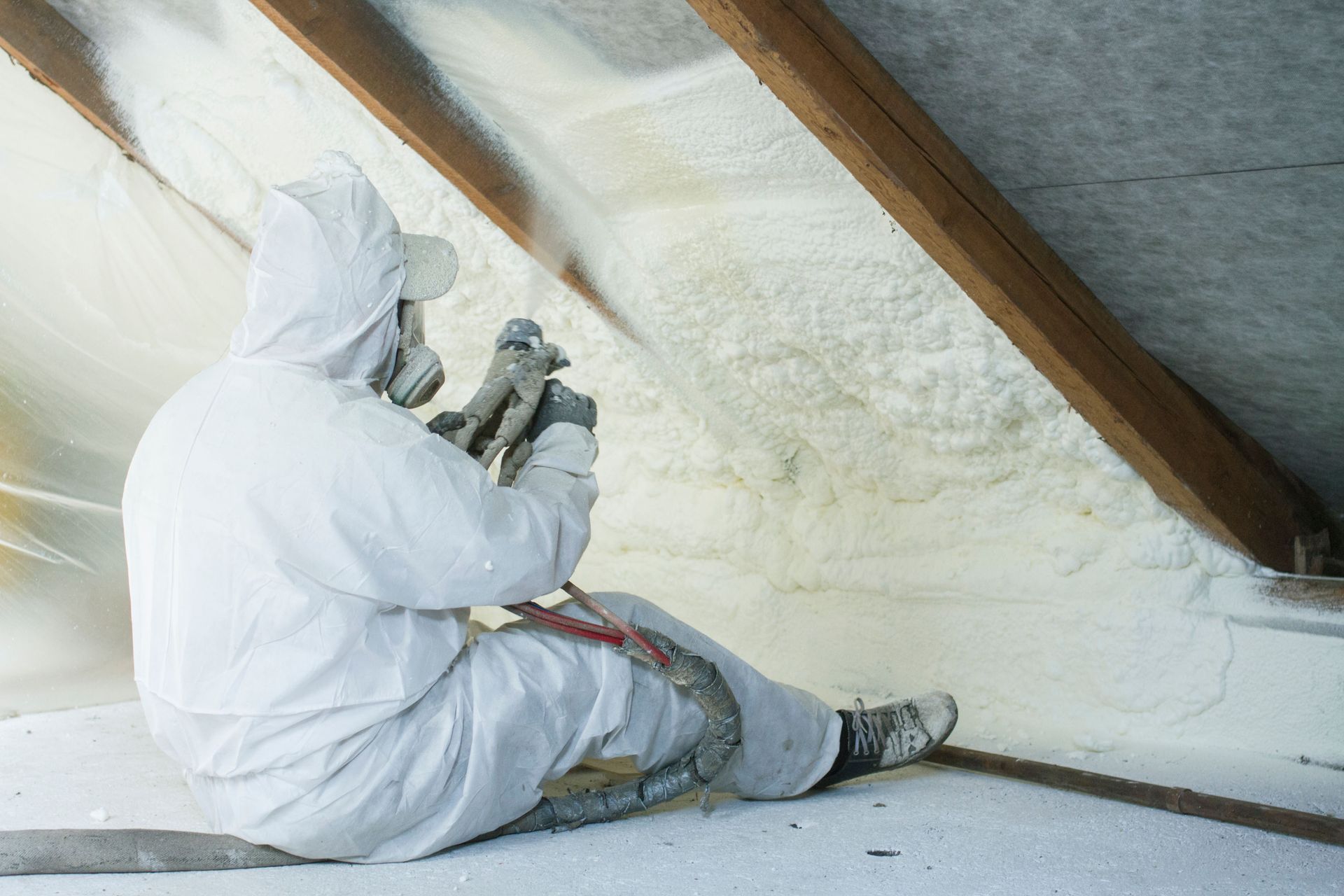
Traditional insulation materials primarily slow heat transfer but often fail to stop air movement. Spray foam insulation addresses both issues at once. When applied, it expands and hardens, forming a tight barrier that blocks air infiltration.
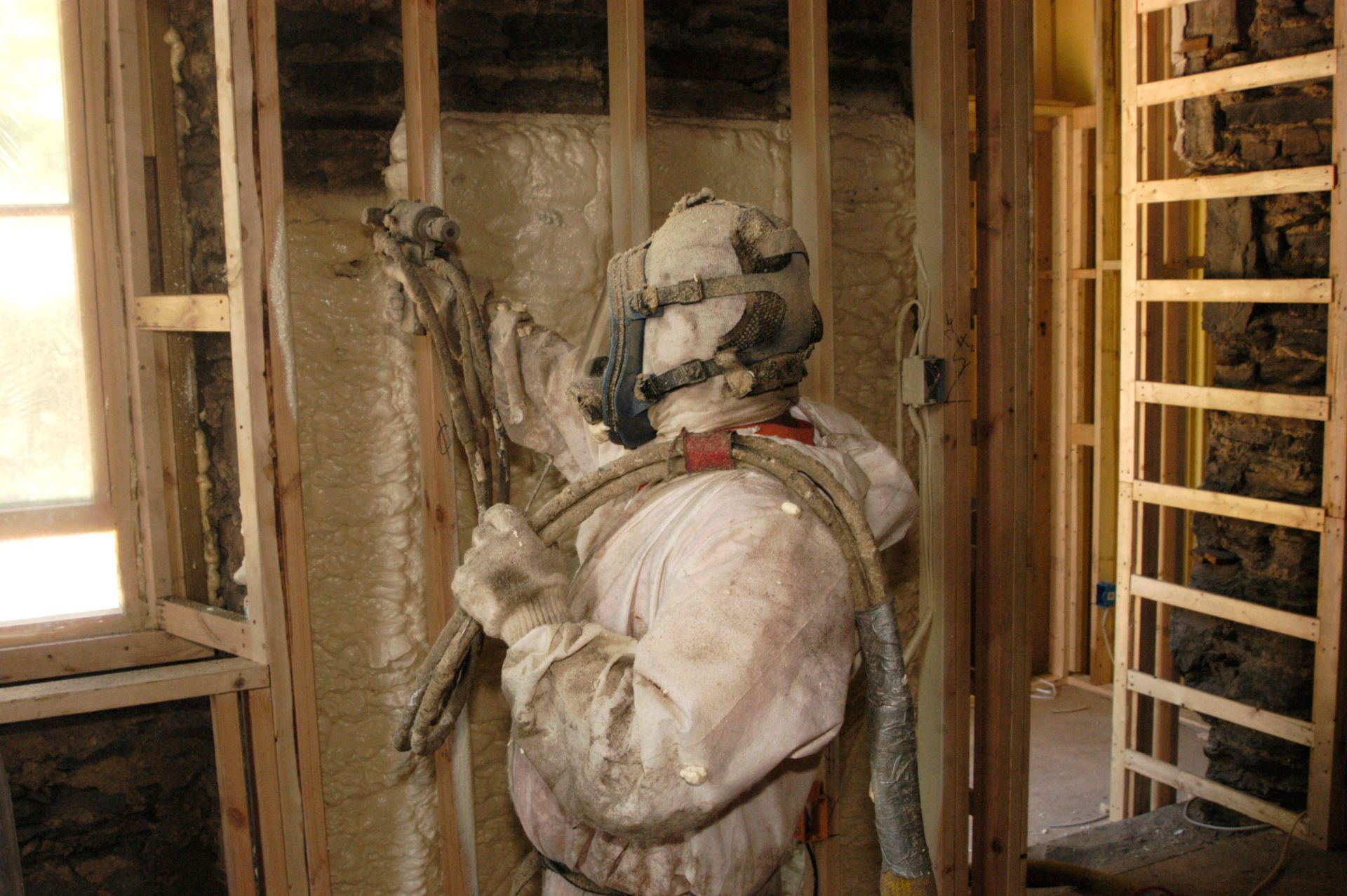
This air sealing capability is especially valuable in areas like attics, crawl spaces, rim joists, and wall cavities. These areas are common sources of drafts and moisture intrusion. Spray foam's ability to conform to irregular surfaces helps eliminate weak points in the building envelope.
Because of this performance advantage, many homeowners turn to a spray foam insulation contractor when dealing with persistent comfort issues that other insulation upgrades have not resolved.
Improved Indoor Comfort Levels
Comfort plays a major role in insulation decisions. Uneven temperatures, cold floors, and hot spots can make living spaces less enjoyable. Spray foam insulation helps create more consistent indoor conditions by maintaining stable temperatures throughout the structure.
By reducing air leakage, spray foam minimizes temperature swings caused by outside air entering the home. Rooms feel more balanced, and heating and cooling systems can maintain comfort with less effort.
This improved comfort is especially noticeable in older homes or additions where insulation coverage may be inconsistent. Spray foam provides a solution that adapts to unique layouts and construction styles.
Moisture Control and Building Protection
Moisture management is another key factor behind the growth of spray foam insulation. Excess moisture can lead to mold growth, wood rot, and structural damage over time. Spray foam acts as a barrier that limits moisture intrusion when installed correctly.
Closed-cell spray foam, in particular, adds resistance to water vapor and can help protect against moisture-related issues in basements, crawl spaces, and exterior walls. By controlling moisture, homeowners reduce the risk of long-term damage and costly repairs.
Many property owners choose a spray foam insulation contractor to address moisture concerns while also improving energy performance. This dual benefit makes spray foam an attractive option for preventative maintenance.
Long-Term Cost Savings
While spray foam insulation often has a higher upfront cost compared to traditional materials, its long-term value continues to drive adoption. Reduced energy use, lower maintenance needs, and extended HVAC system life all contribute to overall savings.
Spray foam does not settle or degrade as quickly as some other insulation types. This durability means fewer replacements or upgrades over time. For homeowners planning to stay in their homes long-term, this reliability adds to the appeal.
As consumers become more focused on lifetime cost rather than initial expense, spray foam insulation stands out as a practical investment.
Growth Across Residential and Commercial Markets
Spray foam insulation is no longer limited to specialty applications. Its use has expanded across residential, commercial, and industrial projects. Builders and architects are incorporating spray foam into new construction to meet energy codes and performance expectations.
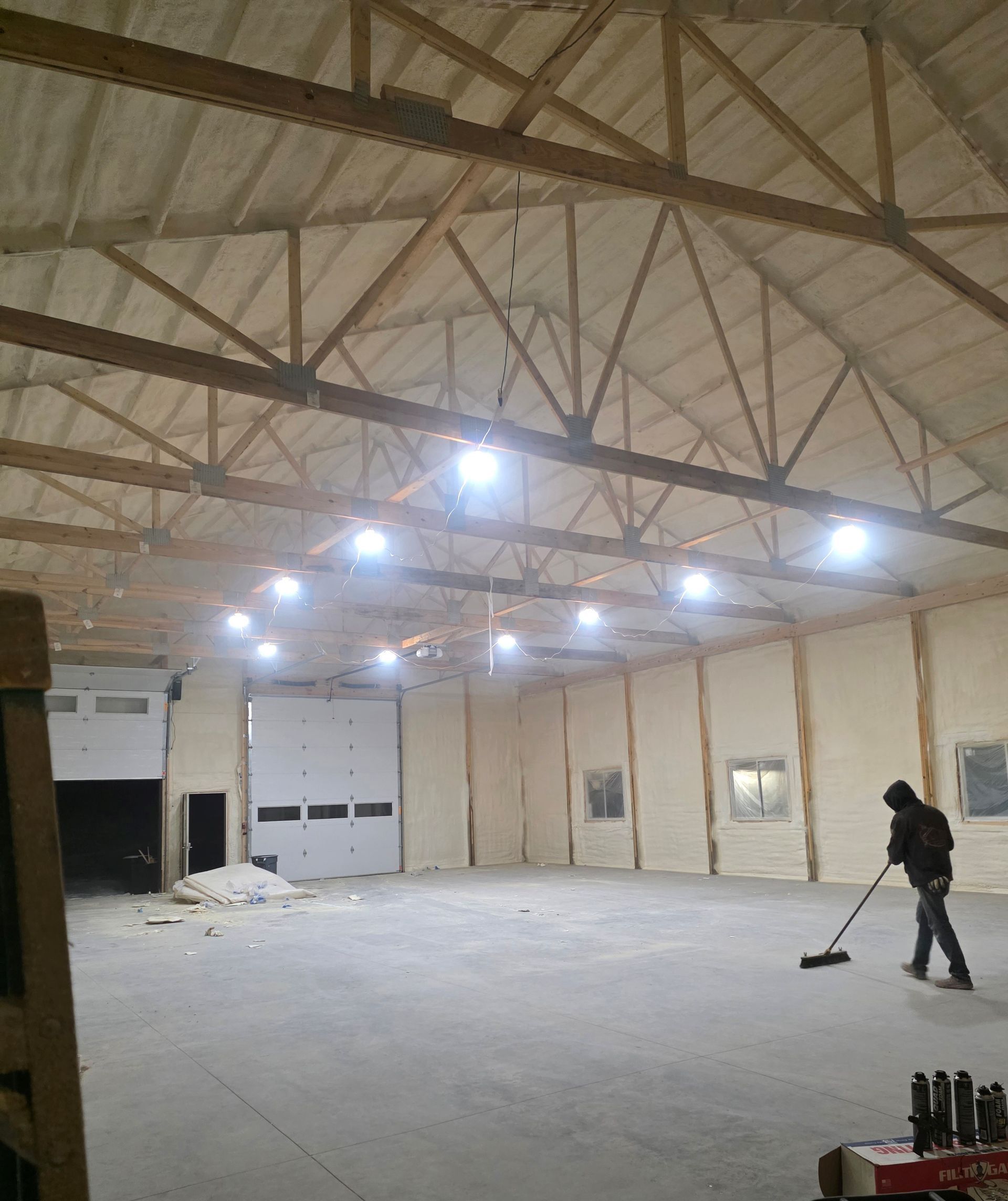
Commercial property owners also value spray foam for its ability to improve energy efficiency in large buildings. Warehouses, offices, and retail spaces benefit from reduced air leakage and improved temperature control.
According to Grand View Research, another forecast estimates the market reaching $3.63 billion by 2030, growing at a CAGR of 6.5% between 2024 and 2030. This growth reflects strong demand across multiple sectors.
Compatibility With Modern Building Codes
Building codes continue to evolve with a focus on energy efficiency and environmental performance. Spray foam insulation aligns well with these changes because of its high R-value and air sealing properties.
Many jurisdictions now require tighter building envelopes to reduce energy waste. Spray foam helps meet or exceed these standards without requiring additional air sealing measures. This simplifies compliance for builders and contractors.
As codes become more performance-based, materials that deliver measurable efficiency gains are likely to remain in demand.
Reduced Noise Transmission
Sound control is another benefit contributing to spray foam's popularity. Open-cell spray foam, in particular, helps absorb sound and reduce noise transfer between rooms or from outside sources.
Homeowners who live near busy roads or in dense neighborhoods often notice improved indoor quiet after installation. Reduced noise can enhance comfort and privacy, especially in bedrooms and home offices.
This added benefit makes spray foam appealing beyond energy efficiency alone.
Flexibility for Unique Building Structures
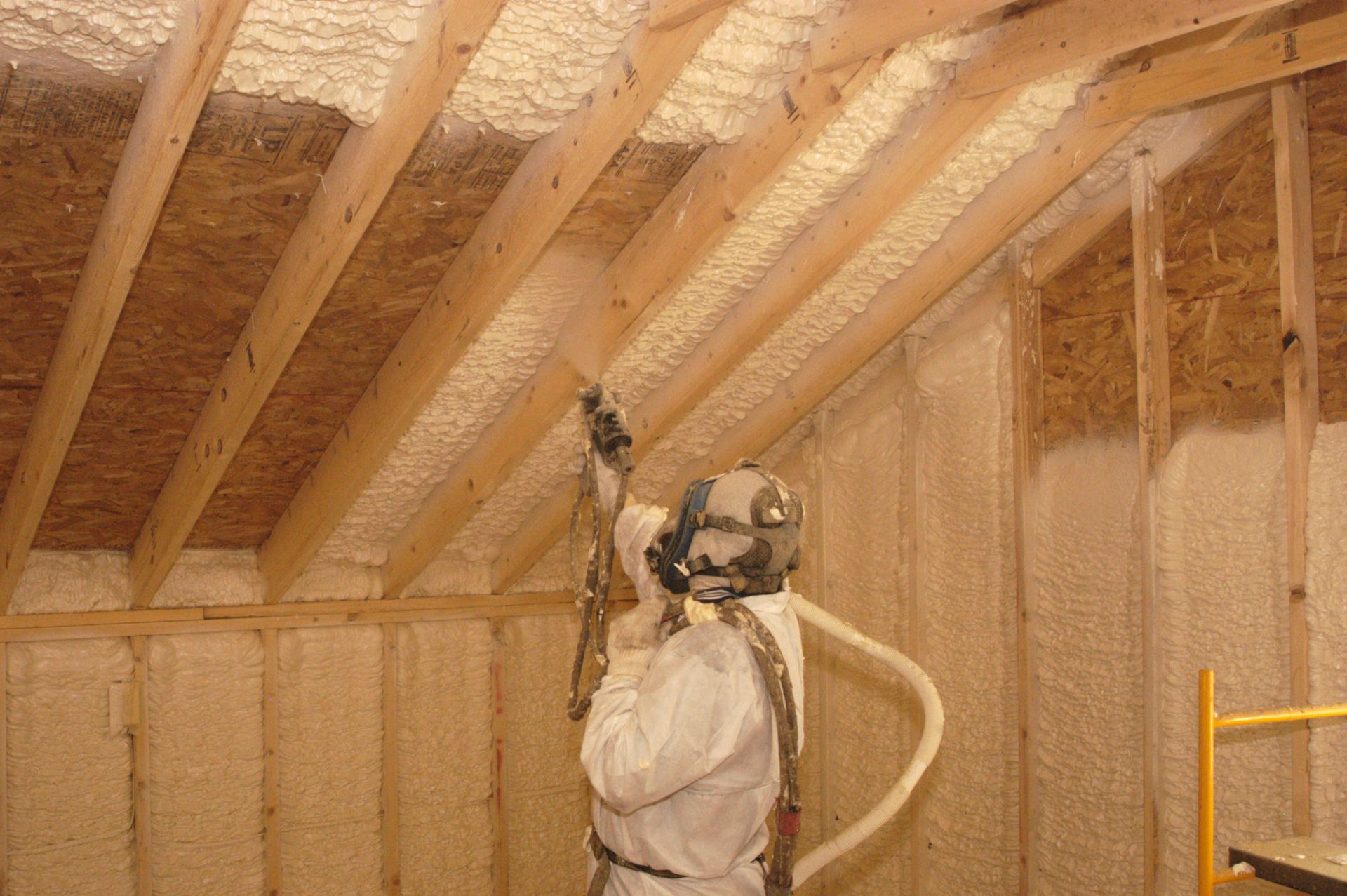
Not all buildings are easy to insulate with traditional materials. Irregular framing, vaulted ceilings, and complex layouts can make insulation coverage inconsistent. Spray foam adapts easily to these challenges.
Because it expands on contact, spray foam fills spaces that other insulation may leave exposed. This flexibility allows for better coverage in hard-to-reach areas and custom designs.
Many homeowners rely on a spray foam insulation contractor to evaluate these unique spaces and apply insulation where other solutions fall short.
Increased Consumer Awareness
As more information becomes available about insulation performance, homeowners are becoming better informed about their options. Online resources, energy audits, and contractor consultations have increased awareness of spray foam's advantages.
This education has helped shift perceptions away from insulation as a basic necessity toward insulation as a performance system. Spray foam's ability to address multiple issues at once resonates with informed consumers.
Word-of-mouth recommendations and visible results also contribute to growing interest.
Environmental Performance Benefits
Sustainability has become an important consideration in home improvement decisions. Spray foam insulation supports energy conservation by reducing overall energy use, which can lower a building's carbon footprint.
Modern formulations continue to improve in terms of environmental impact. Many products now use blowing agents with lower global warming potential compared to earlier versions.
Homeowners seeking responsible building solutions often consider spray foam as part of a broader efficiency strategy.
Spray foam insulation is growing fast because it addresses many of the challenges homeowners and builders face today. Its ability to improve energy efficiency, control moisture, enhance comfort, and support long-term savings makes it a compelling choice across residential and commercial applications. With building codes evolving and energy awareness increasing, spray foam insulation continues to gain momentum as a performance-driven solution.
If you're considering upgrading your insulation or planning a new construction project, now is the time to explore your options. Reach out to us at Elite Spray Foam Solutions LLC to evaluate your space, discuss your goals, and take the next step toward a more efficient, comfortable, and durable building.