May 19, 2026
Air leaks are one of the most common issues affecting indoor comfort and energy efficiency in residential and commercial properties. Even small gaps around walls, attics, crawl spaces, and utility openings can allow conditioned air to escape and outdoor air to enter. Over time, these leaks can contribute to uneven indoor temperatures, higher utility expenses, moisture concerns, and unnecessary strain on heating and cooling systems. Property owners often turn to spray foam insulation companies because of their ability to create a more effective air barrier while improving the overall performance of a structure.
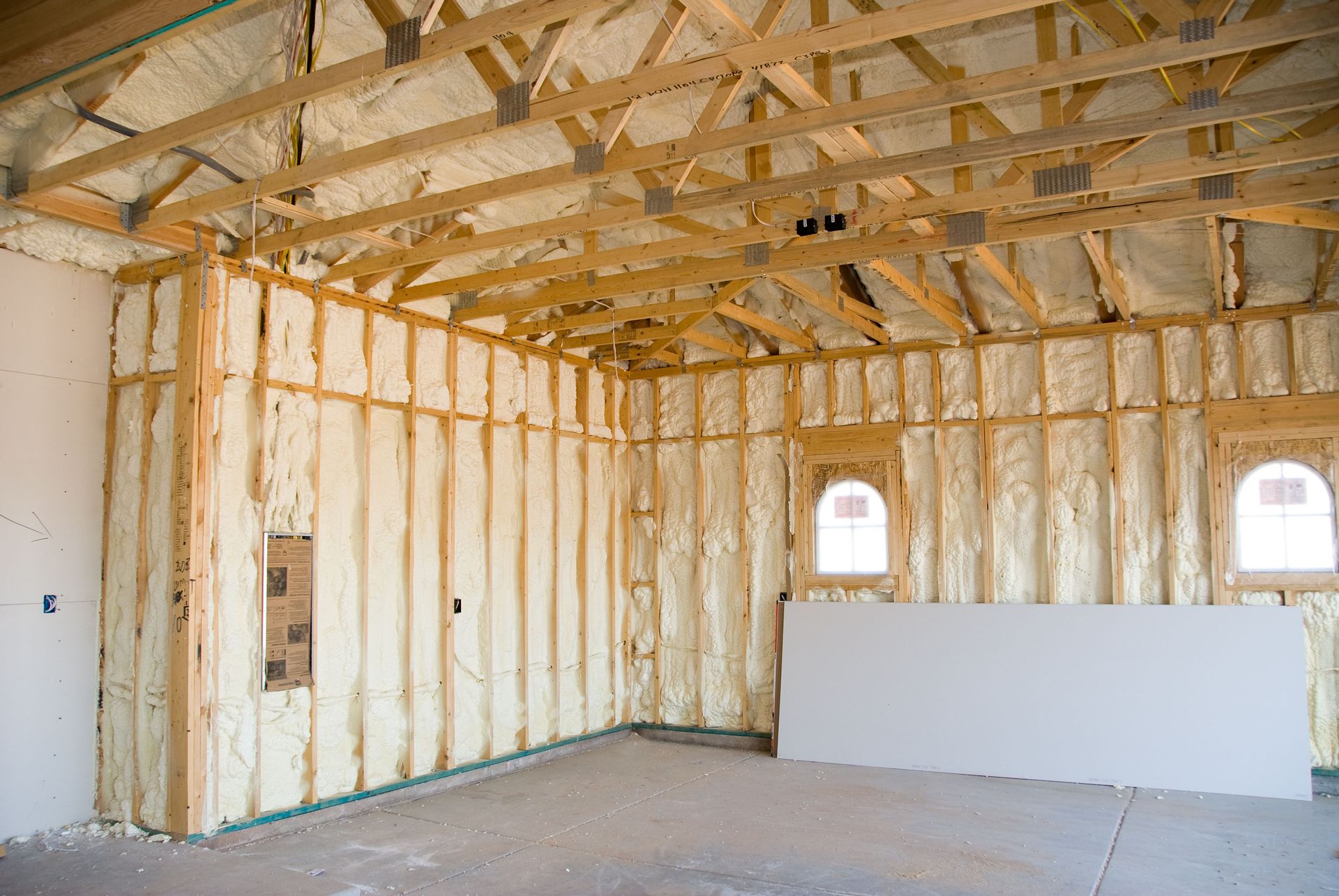
Unlike traditional insulation materials that primarily slow heat transfer, spray foam insulation expands to fill gaps, cracks, and hard-to-reach spaces. This creates a tighter building envelope that helps reduce unwanted airflow throughout the property. As energy efficiency and indoor comfort continue to be priorities for property owners, more people are investing in professional insulation solutions. According to Global Market Insights Inc., the spray foam industry is projected to reach $4.1 billion by 2032, driven in part by the continued rise of commercial construction projects. This growth reflects the increasing demand for advanced insulation systems that address air leaks and improve building performance.
Identifying Hidden Air Leak Sources
One of the most valuable services spray foam insulation companies provide is identifying areas where air leakage commonly occurs. Many leaks are not immediately visible, making them difficult for property owners to detect on their own. Small openings around plumbing penetrations, electrical wiring, ductwork, attic hatches, and window frames can allow significant air movement throughout a building.
Professionals understand where these vulnerable areas are typically located and know how to evaluate the structure thoroughly. By locating hidden gaps and weak points in the building envelope, they can recommend insulation strategies designed to minimize airflow. This targeted approach allows insulation to address the root causes of energy inefficiency instead of only treating the symptoms.
In many properties, air leakage can occur in multiple sections simultaneously. Without a comprehensive inspection, some of these issues may go unnoticed for years. Spray foam insulation companies help ensure that overlooked areas are properly sealed, contributing to better comfort and more consistent indoor conditions.
Sealing Gaps Around Structural Components
Air leaks often develop around structural transitions where different building materials meet. These joints may include areas around rooflines, wall intersections, rim joists, and foundations. Over time, even well-constructed buildings can experience small shifts that create openings through which air can flow freely.
Spray foam insulation is highly effective because it expands after application and conforms to irregular surfaces. This allows it to seal gaps that may be difficult to address with traditional insulation materials. Spray foam insulation companies apply the material strategically to ensure that these transition points are thoroughly protected against unwanted airflow.
By sealing these vulnerable areas, the building envelope becomes more resistant to infiltration of outside air. This can help stabilize indoor temperatures while reducing drafts and cold spots that commonly occur near unsealed joints. In addition to improving comfort, sealing structural gaps can also help reduce strain on HVAC systems by limiting the amount of conditioned air escaping from the property.
Protecting Attics From Air Infiltration
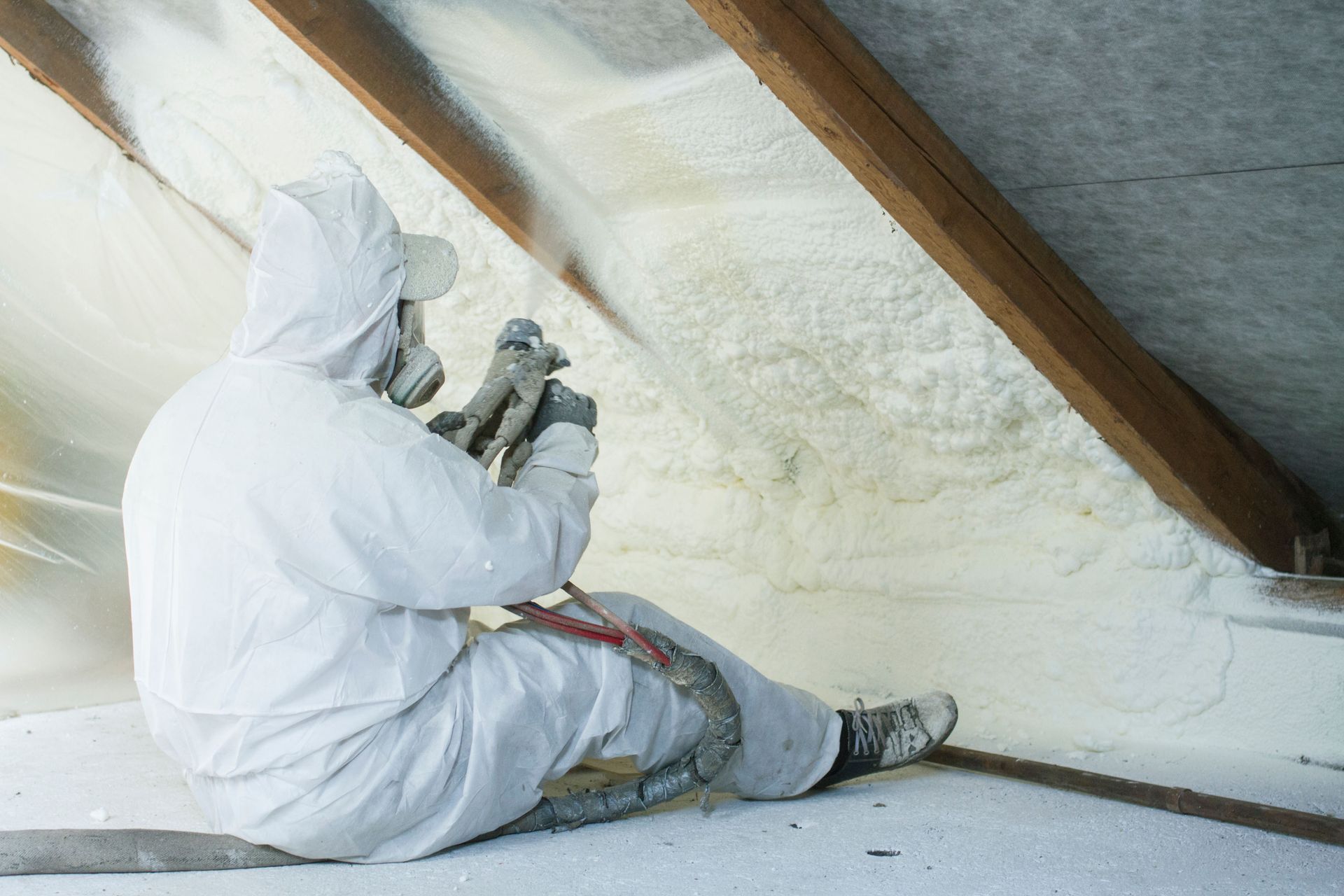
Attics are among the most common areas where air leakage occurs. Warm air naturally rises, and if the attic is not properly insulated and sealed, conditioned air can escape through openings in the ceiling and roof structure. At the same time, outside air may enter the home through vents, cracks, or poorly insulated surfaces.
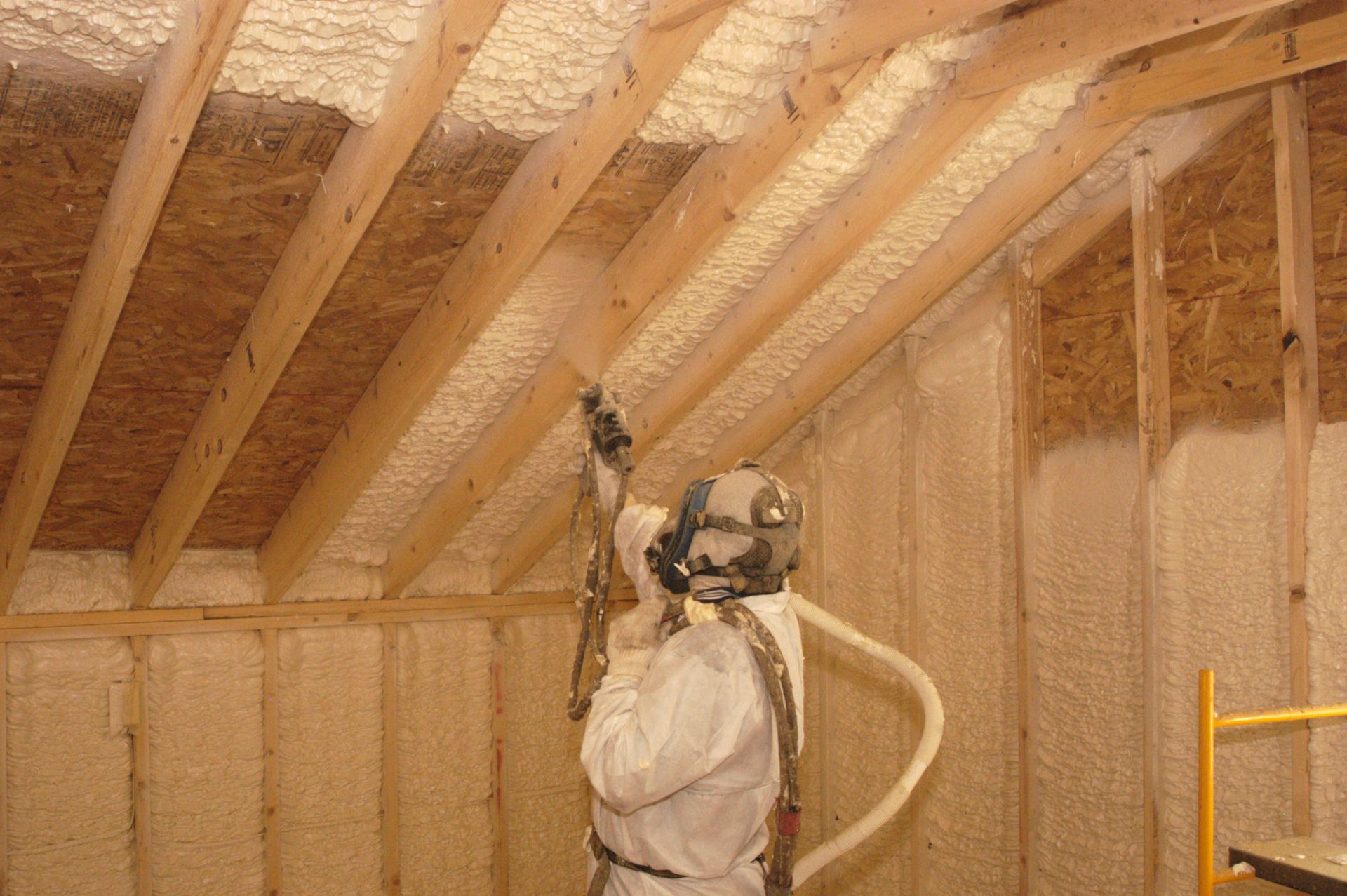
Spray foam insulation companies often focus heavily on attic spaces because of the major impact they can have on overall energy performance. Spray foam can be applied to attic floors, roof decks, and surrounding gaps to create a stronger air barrier throughout the upper portion of the building.
Improving Crawl Space Air Sealing
Crawl spaces can also contribute significantly to air leakage problems. These areas are often exposed to moisture, outdoor temperatures, and unconditioned airflow that can affect the rest of the property. Air from crawl spaces may travel upward into living areas through gaps in flooring, utility penetrations, or framing connections.
Spray foam insulation companies use insulation systems that help isolate crawl spaces from the rest of the structure. By sealing walls, rim joists, and surrounding openings, they reduce the movement of outside air into the property. This process can help improve indoor air quality while limiting the transfer of moisture and contaminants.
Proper crawl space insulation can also contribute to more even indoor temperatures throughout the building. Floors above unsealed crawl spaces often feel colder or less comfortable because of air movement beneath them. Spray foam applications help create a more controlled environment that supports better overall comfort inside the property.
Strengthening Air Barriers Around Utility Openings
Many buildings contain numerous utility penetrations that create opportunities for air leakage. Pipes, vents, electrical lines, and HVAC components often require openings in walls, ceilings, and floors.
Even small gaps surrounding these penetrations can allow continuous airflow that affects energy efficiency and indoor comfort.
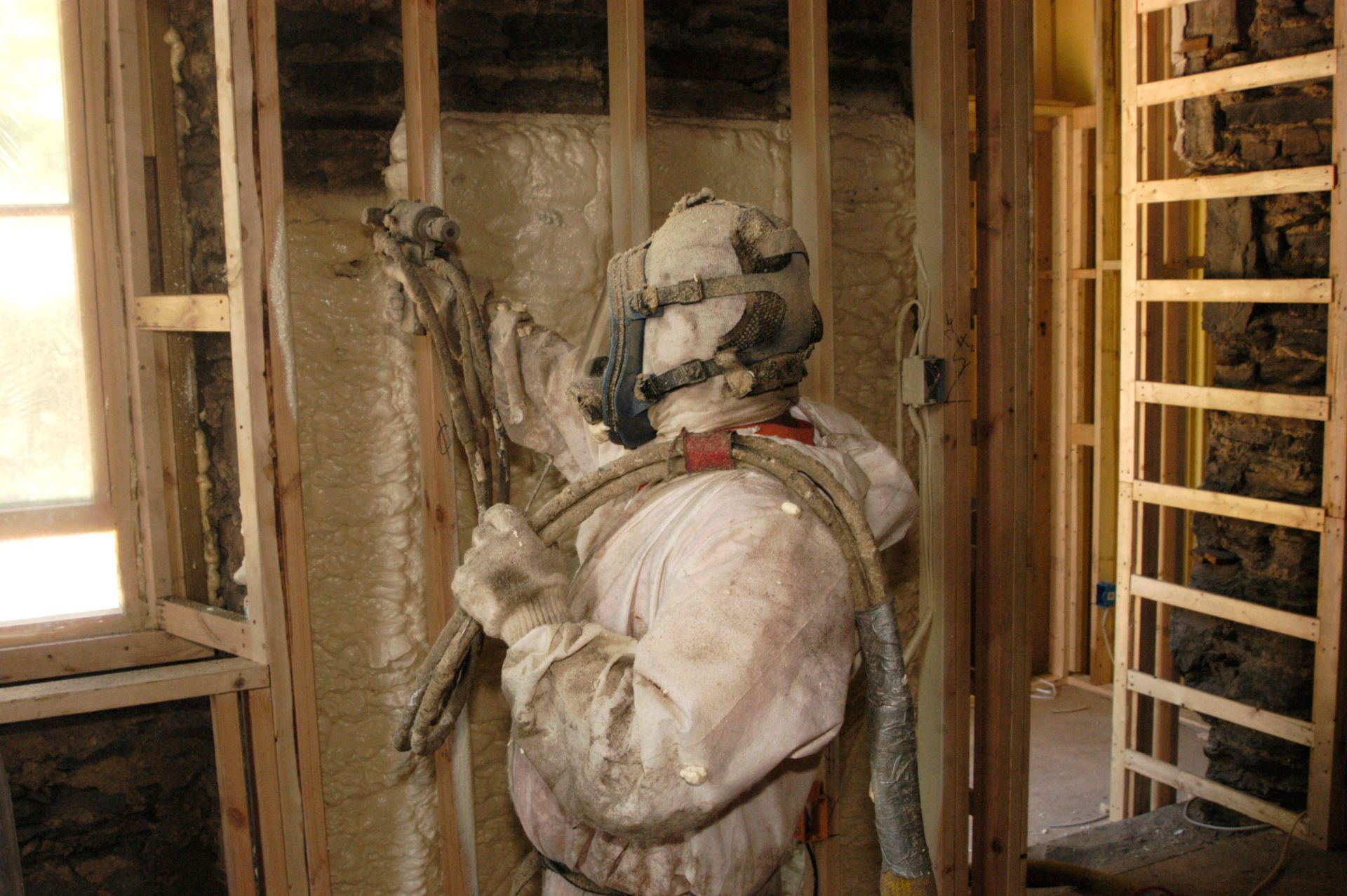
Spray foam insulation companies pay close attention to these areas because they are frequently overlooked during standard insulation installations. Spray foam expands around irregular openings and creates a durable seal that helps prevent unwanted air movement.
Utility penetrations are especially important because they are often located throughout the entire structure. Air leakage from multiple small openings can add up quickly and contribute to ongoing energy loss. By carefully sealing these areas, insulation professionals help improve the effectiveness of the building envelope as a whole.
Supporting Consistent Indoor Comfort
One of the biggest benefits of reducing air leaks is improved indoor comfort. Drafts, uneven temperatures, and fluctuating humidity levels are often caused by uncontrolled airflow entering or leaving the building. Even high-performing HVAC systems may struggle to maintain consistent comfort if air leaks are widespread throughout the structure.
Spray foam insulation companies help create a tighter building envelope that allows heating and cooling systems to operate more efficiently. With fewer air leaks, conditioned air stays inside longer, helping rooms maintain more stable temperatures throughout the day.
Occupants often notice fewer cold spots, reduced drafts near windows and doors, and more balanced temperatures between different areas of the property. This improved consistency can make indoor spaces feel more comfortable during both warm and cool weather conditions.
In addition to comfort benefits, reducing air leaks may also help lower wear and tear on HVAC equipment. When systems do not need to compensate constantly for escaping air, they can often operate more effectively and with less strain over time.
Enhancing Long-Term Building Performance
Air leaks can affect more than just energy efficiency. Over time, uncontrolled airflow may contribute to moisture accumulation, condensation, and reduced insulation performance. These issues can impact the durability of building materials and create conditions that affect the overall health of the structure.
Spray foam insulation companies help support long-term building performance by creating a more controlled indoor environment. Spray foam acts as both insulation and an air barrier, helping reduce the pathways through which moisture-laden air can travel.
Controlling airflow is especially important in areas where temperature differences between indoor and outdoor environments are significant. Without proper sealing, condensation may form within walls, attics, or crawl spaces, potentially leading to long-term concerns involving moisture exposure.
By minimizing air movement and improving the integrity of the building envelope, spray foam insulation supports a more stable indoor environment that helps protect structural components over time.
Air leaks can have a major impact on indoor comfort, energy efficiency, and overall building performance. Small gaps throughout a property may allow conditioned air to escape while permitting outside air, humidity, and pollutants to enter. Spray foam insulation companies help address these issues by identifying vulnerable areas and applying insulation systems that create a stronger air barrier throughout the structure.
At Elite Spray Foam Solutions LLC, we help property owners create more energy-efficient and comfortable spaces through professional insulation services tailored to their needs. Our team is committed to helping us improve indoor performance while reducing air leaks throughout residential and commercial properties.