March 16, 2026
Spray foam insulation has emerged as a leading solution in modern construction, prized for its exceptional energy efficiency and versatility. This innovative material expands on application to fill gaps and create a continuous thermal barrier, reducing air leakage and improving overall building performance. Beyond energy savings, spray foam insulation offers benefits such as noise reduction, enhanced structural support, and improved indoor air quality. Understanding these advantages is essential for homeowners and construction professionals who want to optimize comfort, durability, and sustainability. As the construction industry increasingly emphasizes eco-friendly and energy-efficient solutions, spray foam insulation continues to gain traction, providing a reliable and effective way to reduce environmental impact while enhancing building performance. This article explores the key benefits, installation practices, and environmental considerations associated with spray foam insulation.
1. Understand How Spray Foam Insulation Works
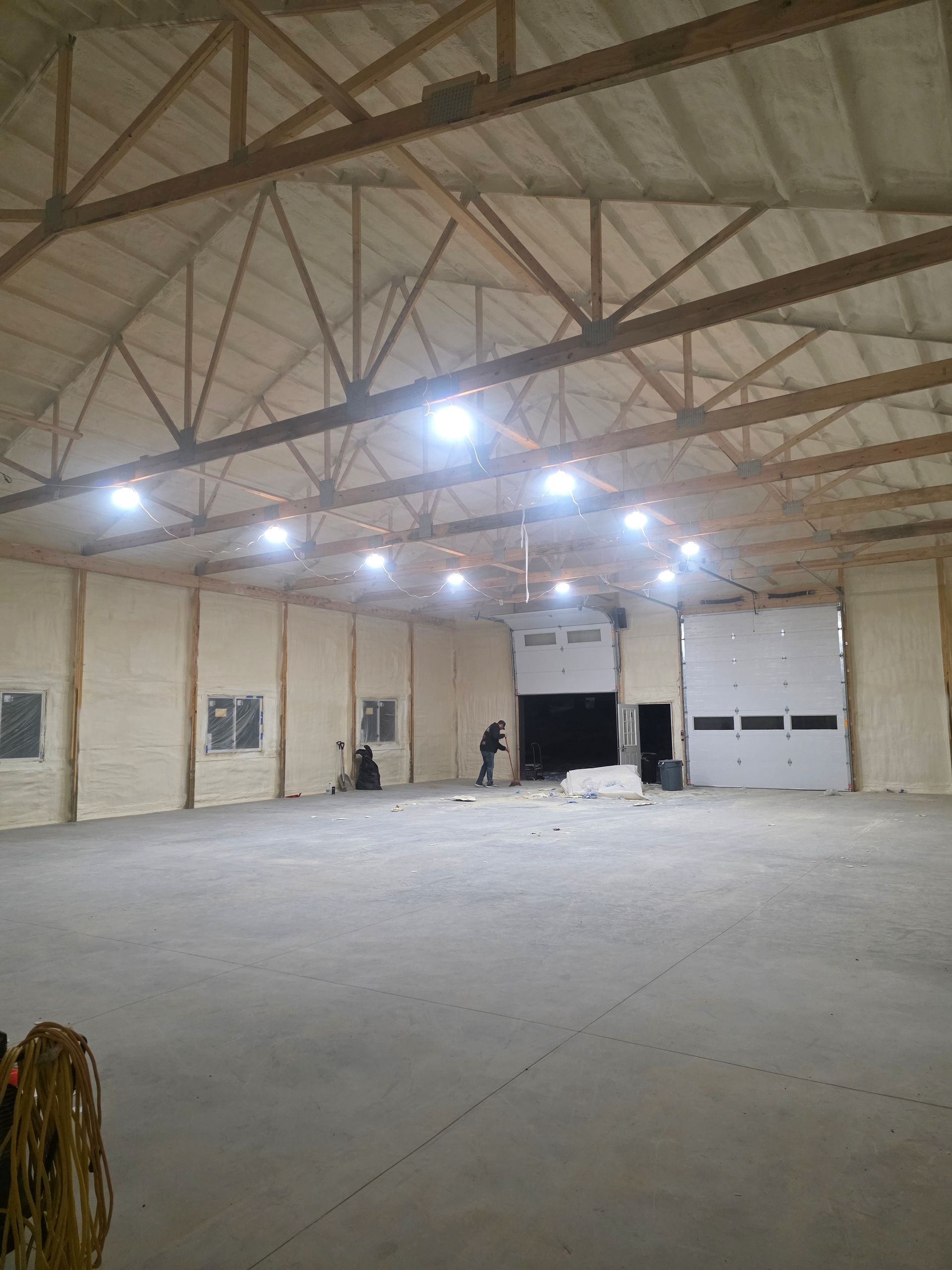
Spray foam insulation is a versatile material that acts as both an insulator and an air barrier, reducing the need for additional materials. Made from a combination of isocyanate and polyol resin, it is applied as a liquid that quickly expands into a foam, sealing all cracks with precision. Due to its expansive nature, spray foam reaches areas that traditional insulation methods cannot, making it a popular choice for retrofits and new constructions alike. Its effectiveness in limiting air leakage leads to enhanced energy efficiency, ultimately reducing heating and cooling costs.
There are two types of spray foam insulation: open-cell and closed-cell. Open-cell foam is less dense, more flexible, and typically cheaper, making it suitable for indoor applications. Closed-cell foam, on the other hand, is denser, offering a higher R-value and providing a superior moisture barrier. Each type of spray foam insulation has its unique set of properties and uses, allowing builders and homeowners to choose the best fit for their specific needs.
With an increasing emphasis on energy efficiency, spray foam insulation is more relevant than ever. According to Coherent Market Insight, the spray foam insulation market was estimated at $3.12 billion in 2025 globally, with an expected growth to $4.39 billion by 2032. This growth indicates a significant shift towards more sustainable insulation solutions, driven by both regulatory pressures and consumer preferences. As awareness of climate change persists, the demand for effective insulation that reduces energy consumption is likely to keep rising.
2. Recognize the Key Benefits of Spray Foam Insulation
One of the primary benefits of spray foam insulation is its superior thermal performance compared to traditional forms of insulation. Its high R-value enables it to effectively resist heat transfer, resulting in reduced energy bills and a more comfortable living environment. Additionally, spray foam insulation helps to reduce air leakage, which is a common cause of energy loss in buildings. This air sealing property not only enhances comfort but also contributes to significant energy savings throughout the year.
Spray foam insulation also offers unparalleled noise reduction qualities, making it ideal for homes in noisy environments. The dense material absorbs sound waves, reducing both exterior noise and sound transfer between rooms. This is particularly beneficial for urban homes or multi-family dwellings where maintaining a quiet living space is a priority. Furthermore, its sealing properties can improve indoor air quality by limiting the entry of dust and allergens.
Structural support is another advantage of using spray foam insulation. When applied, it can add to the overall strength of walls, ceilings, and roofs, providing additional durability against high winds and seismic activity. This added structural integrity can lead to long-term savings by potentially lowering maintenance and repair costs. The versatility and wide range of benefits make spray foam insulation a worthy investment for homeowners looking to improve the performance and durability of their properties.
3. Learn How Spray Foam Insulation Is Installed
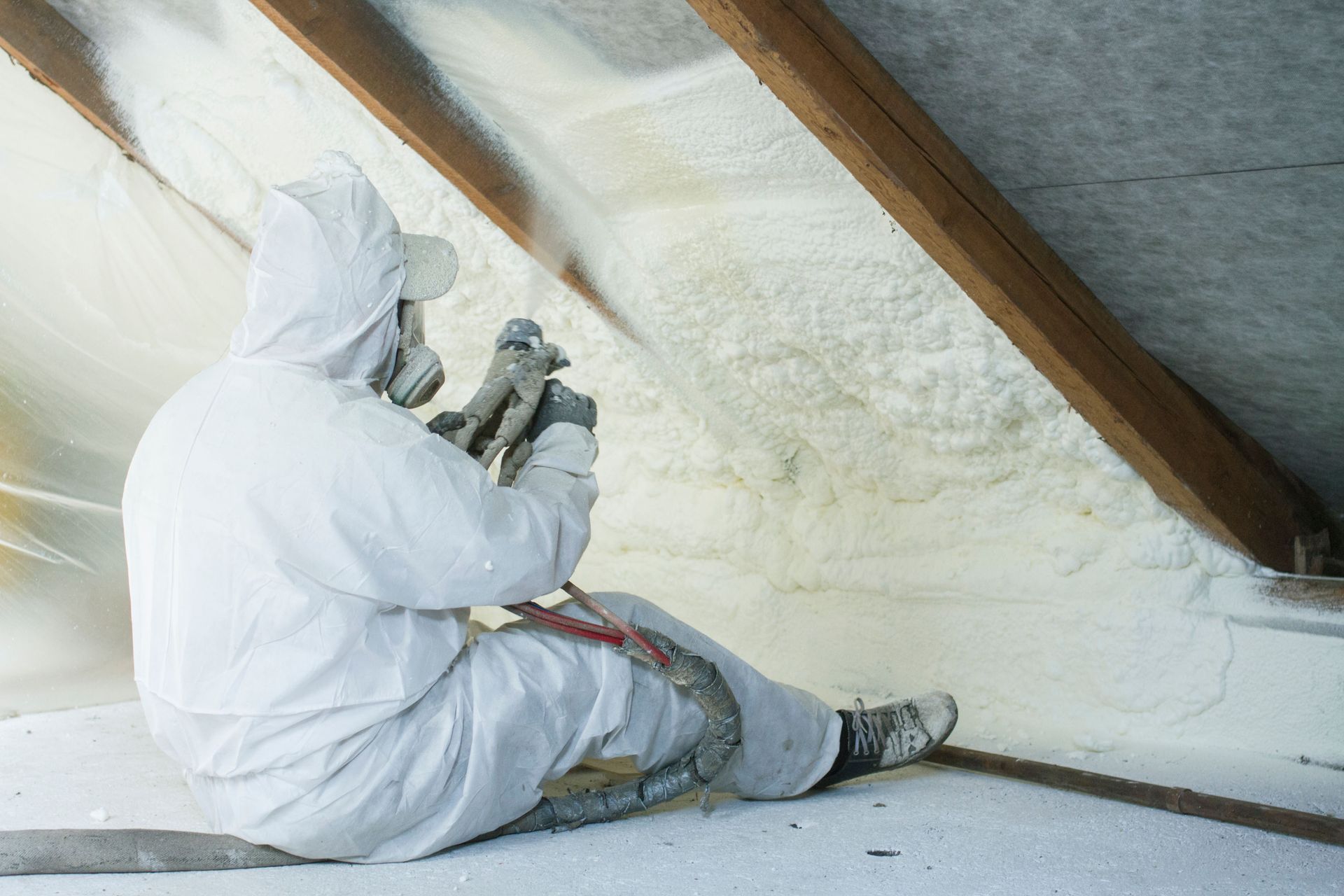
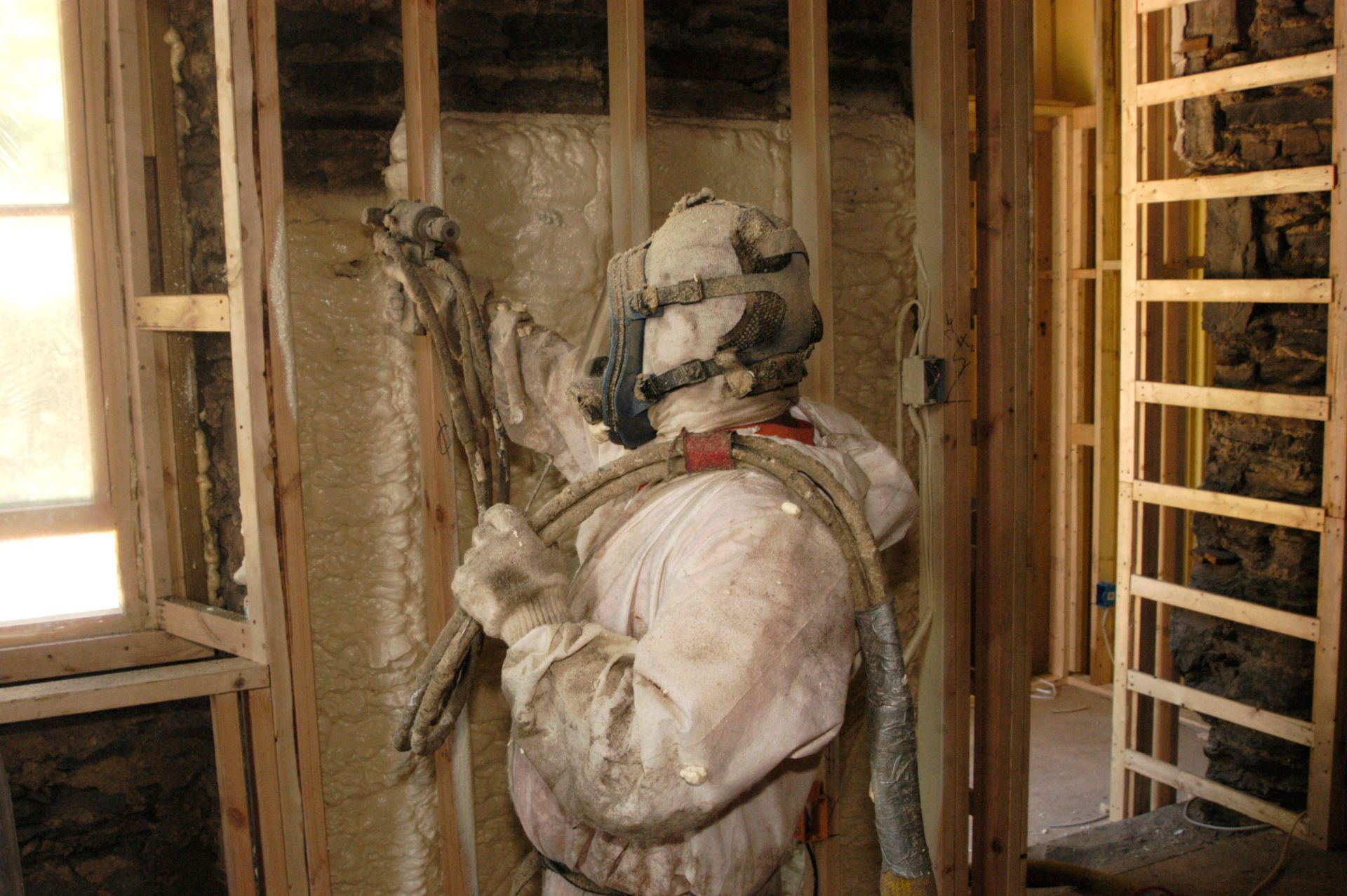
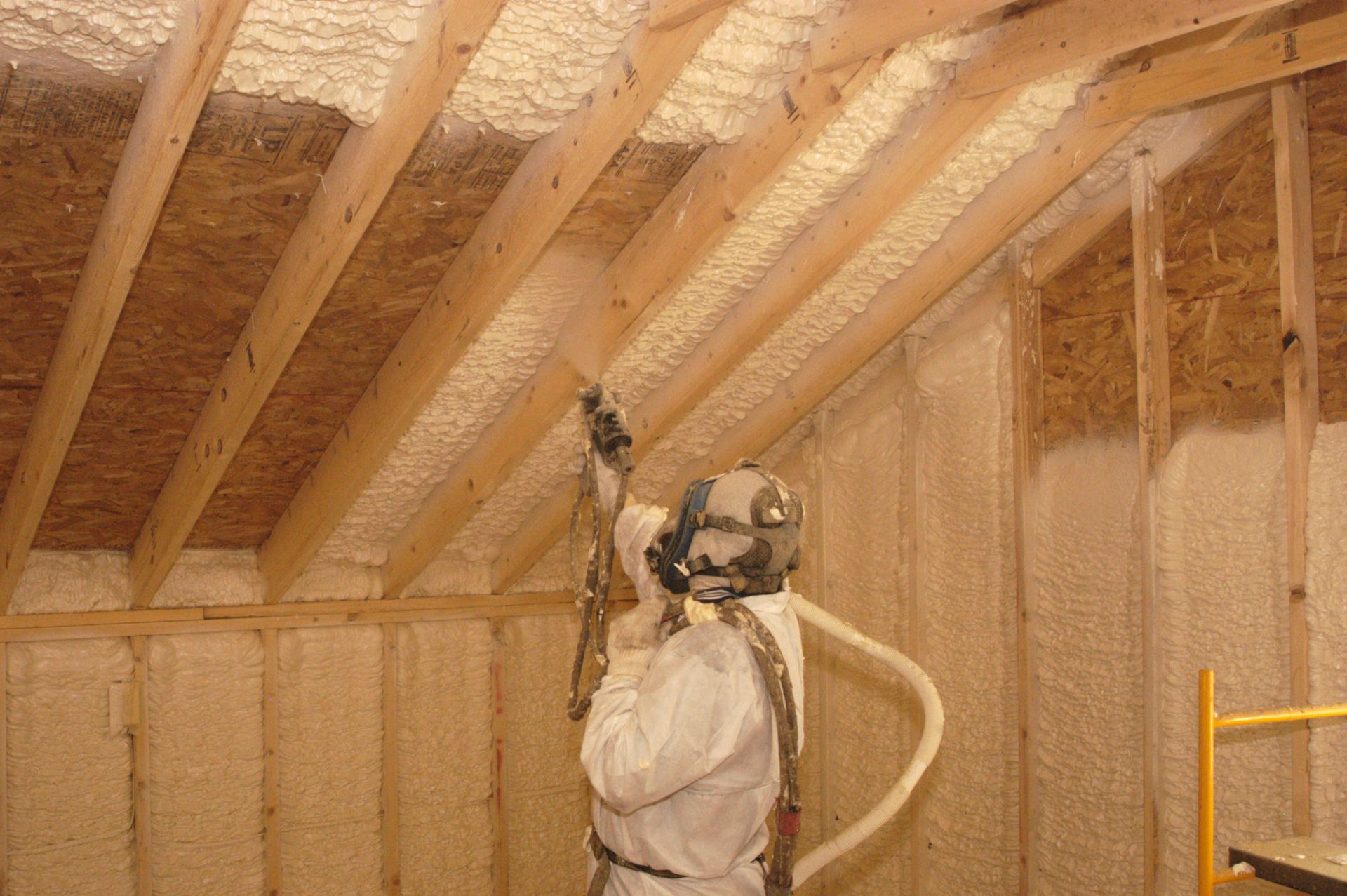
The installation of spray foam insulation involves a series of steps that require precision and professional expertise for optimal results. Initially, the area to be insulated is prepared by cleaning and sealing any significant gaps or openings. Professional installers then mix the polyol resin and isocyanate onsite, using specialized equipment to spray the mixture onto walls, attics, or crawl spaces. Once applied, the foam expands quickly to fill every crevice, curing within a few minutes to form a solid, airtight barrier.
Safety is paramount during the installation of spray foam insulation, given the chemicals involved in the process. Professional installers are equipped with protective gear to prevent exposure to vapors and skin contact. It is also recommended that occupants vacate the premises during application and for a short period thereafter. This ensures that air quality standards are maintained and that the insulation is allowed to cure properly without any interference.
The effectiveness of the installation process is crucial to the overall performance of the insulation. Improper installation can lead to gaps, uneven coverage, or off-ratio foam, compromising the material's efficiency and longevity. As such, homeowners must engage experienced, certified professionals to ensure that the spray foam insulation is applied correctly and safely. Successfully installed, it promises enhanced energy efficiency for many years to come.
4. Evaluate the Environmental Impact of Spray Foam Insulation
The environmental impact of spray foam insulation is a subject of ongoing research and discussion. On the positive side, it is a product that contributes significantly to energy efficiency, thereby reducing the carbon footprint of buildings. By minimizing the need for heating and cooling, spray foam insulation helps lower greenhouse gas emissions associated with electricity generation. This attribute makes it a valuable player in the move towards more sustainable construction practices and energy-efficient homes.
However, the production and installation of spray foam insulation do have environmental drawbacks that cannot be overlooked. The chemicals used in producing spray foam, such as isocyanates, are derived from fossil fuels and can have harmful effects if not handled properly. Moreover, spray foam insulation's disposal poses environmental challenges, as the material is not readily biodegradable and can contribute to landfill waste. Efforts to mitigate these impacts include advancements in eco-friendly formulations and more efficient recycling processes.
Despite these challenges, the industry has made strides in developing greener alternatives that offer similar benefits. Low global warming potential (GWP) blowing agents and plant-based materials are examples of the industry’s response to environmental concerns. As regulatory pressures mount and consumer preferences shift towards sustainability, innovations in spray foam insulation technology will likely continue to evolve. Ultimately, the potential for this material to contribute positively to environmental goals remains significant when used thoughtfully and considered within the broader lifecycle of a building.
Spray foam insulation has proven to be a transformative solution in building design, delivering significant energy savings, improved comfort, and added structural strength. Its ability to act as both an insulator and an air barrier makes it a versatile choice for a wide range of applications, from new construction to retrofits. While considerations around chemical use and disposal remain, ongoing innovations in eco-friendly formulations are helping to minimize environmental impact. By choosing professionally installed spray foam insulation , homeowners and builders can enhance energy efficiency, reduce utility costs, and contribute to a more sustainable built environment. As demand for sustainable and high-performance building materials continues to grow, spray foam insulation stands out as a smart, forward-thinking investment for both immediate benefits and long-term environmental gains. Reach out to Elite Spray Foam Solutions LLC to learn more about our services today.