November 10, 2026
Maintaining comfortable indoor temperatures requires more than a dependable heating and cooling system. Proper insulation helps prevent unwanted heat transfer, reduce drafts, and improve overall energy efficiency. Spray foam insulation is a particularly useful option because it expands to fill gaps and create an effective barrier against air movement. Here are nine areas of a property that can benefit significantly from this versatile insulation solution.
1. Attics and Roof Spaces
Attics are among the most important areas to insulate because heat naturally moves between different temperature zones. During colder months, warm indoor air can escape through an inadequately insulated attic, forcing heating equipment to work harder. During summer, intense roof temperatures can contribute to unwanted heat entering the home and increasing cooling demands.
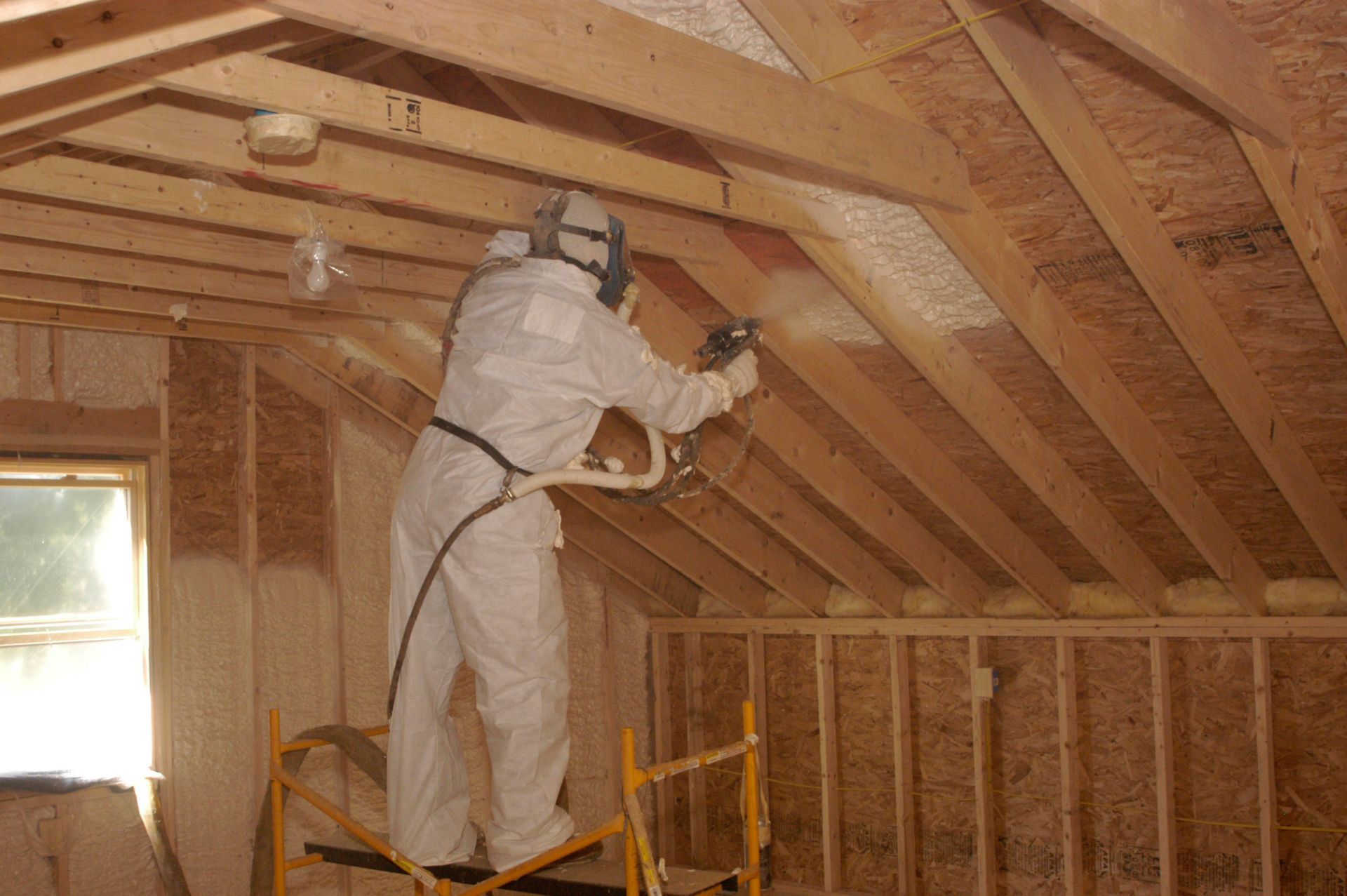
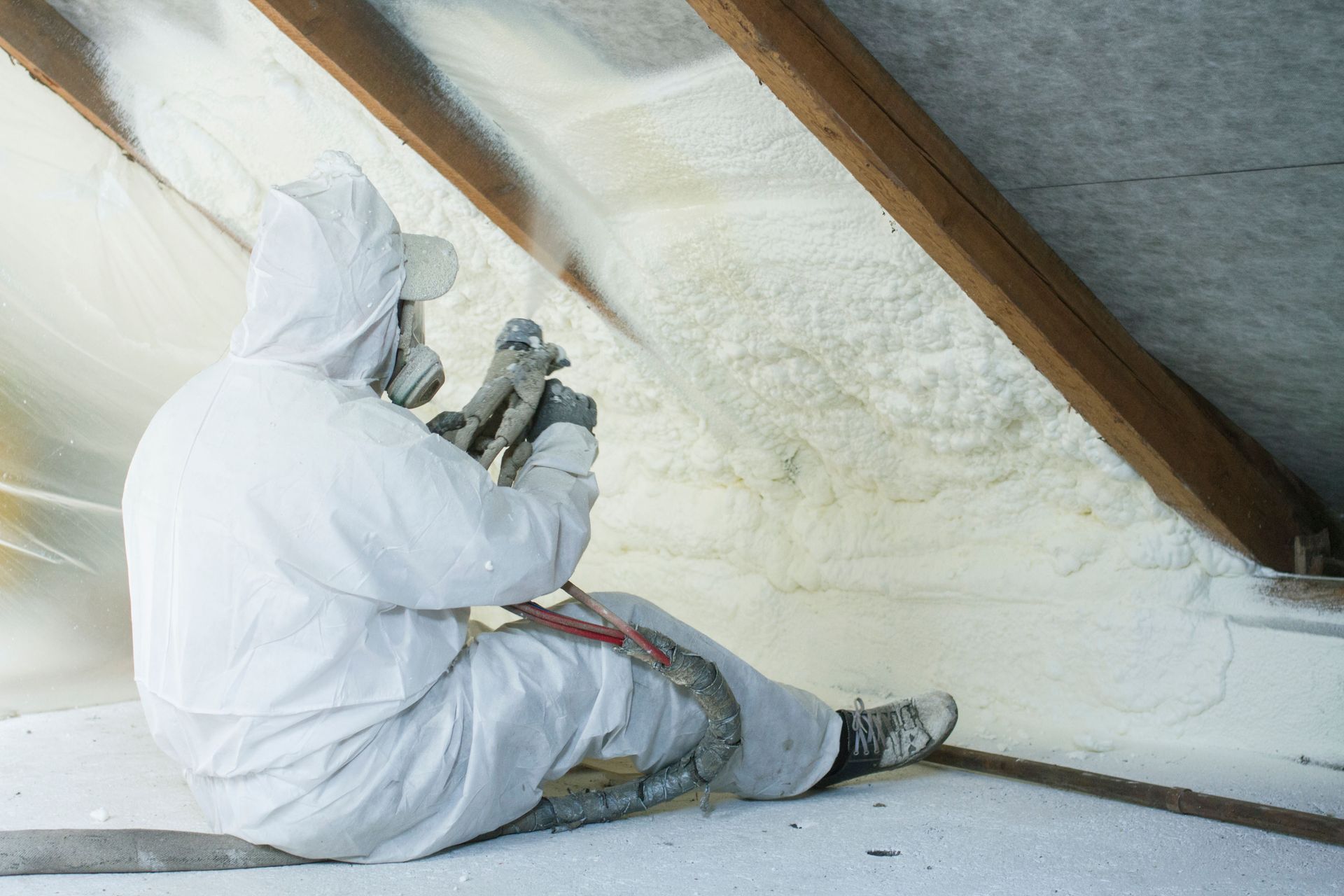
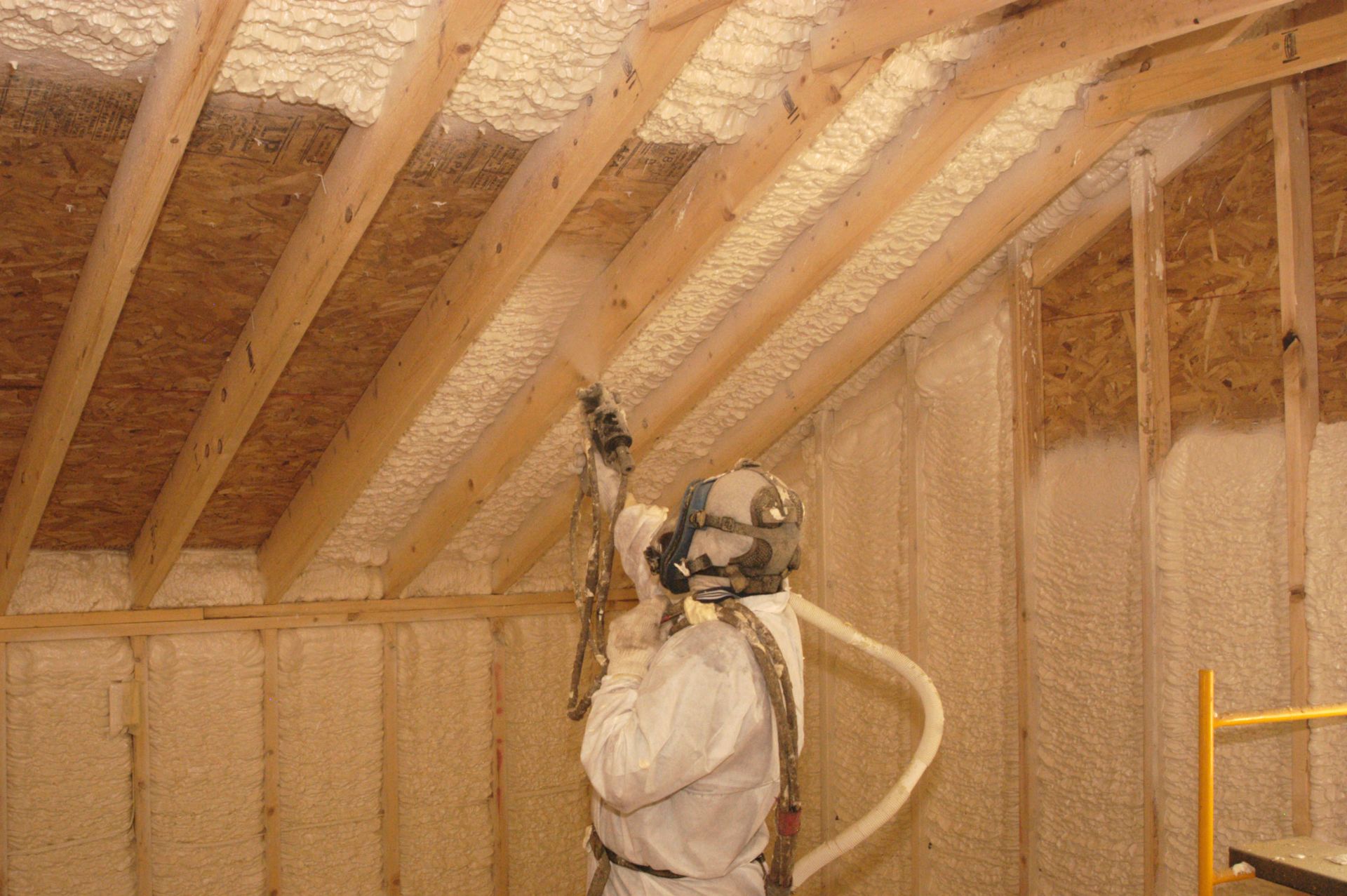
Spray foam insulation can help address these problems by creating a continuous insulating and air-sealing layer along suitable attic surfaces. It can be applied to roof decks, around framing, and in other accessible areas where air leakage commonly occurs. Homeowners working with a spray foam insulation company can determine whether open-cell or closed-cell foam is appropriate for their attic configuration and ventilation strategy.
2. Exterior Walls
Exterior walls separate indoor living spaces from outdoor temperatures, making them essential locations for effective insulation. Poorly insulated walls can contribute to uncomfortable temperature differences between rooms, cold interior surfaces, and unnecessary energy consumption. Small gaps around framing and other structural components can also allow outside air to enter the building.
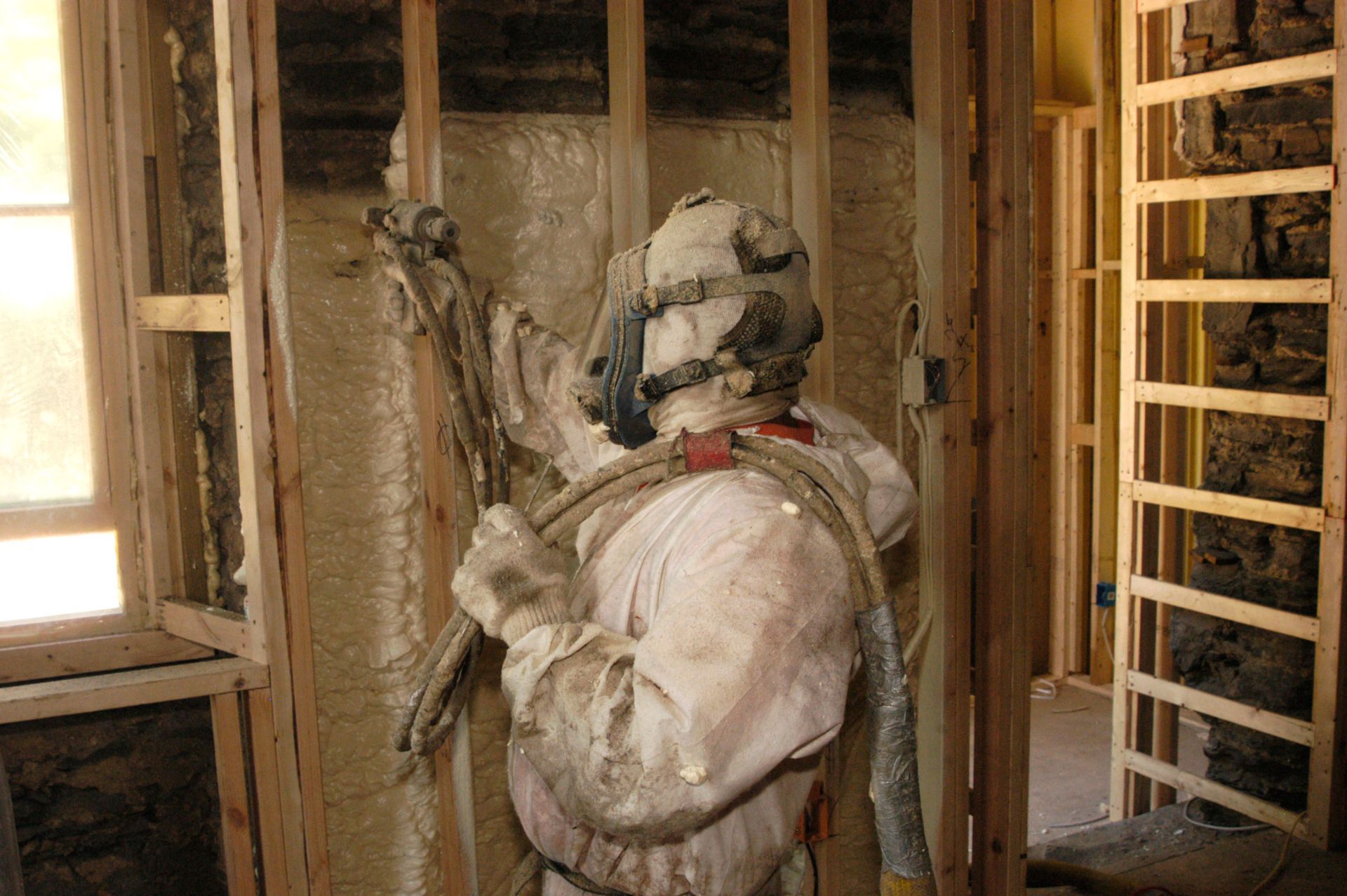
Spray foam expands into cavities and around irregular surfaces, helping establish a more consistent thermal barrier. This can be especially beneficial in walls with complicated framing or areas that are difficult to insulate using traditional materials. A professional spray foam insulation company can evaluate wall construction and recommend an appropriate application based on the property's design and performance goals.
3. Crawl Spaces
Crawl spaces are frequently overlooked during home insulation projects, even though they can influence indoor comfort throughout the property. Moisture, outdoor air, and temperature fluctuations in these areas may affect the floors and rooms directly above them. Inadequate insulation can also contribute to cold floors during winter and uncomfortable conditions in nearby living spaces.
Spray foam can help insulate suitable crawl space walls and seal openings where unwanted air movement occurs. Closed-cell foam is often considered for applications where moisture resistance and a higher insulating value are important. However, crawl space conditions must be evaluated carefully to address drainage, moisture management, and ventilation requirements before insulation is installed.
4. Basements and Foundation Walls
Basements can experience significant temperature fluctuations because foundation walls are in direct contact with surrounding soil. Uninsulated concrete and masonry surfaces can transfer cold temperatures into the space, making finished basements uncomfortable and increasing the workload on heating systems. Air leakage around foundation openings can create additional problems.
Applying spray foam to appropriate foundation surfaces can improve thermal performance while sealing gaps around structural transitions. This is particularly valuable when homeowners want to turn an unfinished basement into a comfortable recreation room, office, or additional living area. A qualified spray foam insulation company can inspect the foundation for moisture concerns and determine the most appropriate insulation approach before installation.
5. Garage Walls and Ceilings
Attached garages can influence the comfort of neighboring rooms, especially when they share walls or ceilings with conditioned living areas. Without sufficient insulation, outdoor temperatures can travel through garage surfaces and affect the spaces connected to them. This can make rooms above or beside the garage harder to heat and cool.
Spray foam insulation can help reduce unwanted heat transfer through garage walls, ceilings, and other appropriate building surfaces. It can also seal small openings around framing and structural connections. For homeowners who use their garages as workshops or storage spaces, insulation may help create more consistent interior conditions. A spray foam insulation company can identify which surfaces offer the greatest potential benefits while considering applicable fire-safety requirements.
6. Around Windows and Exterior Doors
Windows and exterior doors are common sources of unwanted air leakage. Even well-installed units can have small gaps around their frames that allow outdoor air to enter. These openings may contribute to drafts, temperature inconsistencies, and higher heating and cooling demands throughout the year.
Spray foam can be used in appropriate gaps surrounding window and door frames to create a tighter seal. Low-expansion products designed for window and door applications are particularly important because excessive pressure can affect frame alignment and operation. Proper installation helps preserve the functionality of these openings while improving the overall air barrier. Homeowners can ask a spray foam insulation company to evaluate these vulnerable areas as part of a larger insulation assessment, particularly when drafts persist despite otherwise adequate insulation.
7. Pole Barns and Agricultural Buildings
Pole barns and agricultural buildings often have large interior spaces and extensive exterior surfaces that can be difficult to insulate consistently. Depending on their intended use, these structures may need protection against extreme temperatures, condensation, and unwanted air movement. Spray foam is a popular consideration because it can adhere to various suitable surfaces and expand around structural components.
Insulating a pole barn can make a noticeable difference when the building is used as a workshop, equipment storage area, or workspace. It may also help maintain more consistent temperatures for certain storage applications. Closed-cell spray foam can provide additional rigidity and moisture resistance, although the appropriate product depends on the building's design and intended use. Experienced spray foam insulation company professionals can assess the structure's metal panels, framing, and ventilation needs before recommending an installation strategy.
8. Metal Buildings and Commercial Structures
Metal buildings are particularly susceptible to temperature fluctuations because metal surfaces conduct heat efficiently. During summer, sunlight can quickly increase interior temperatures, while cold outdoor conditions can make the structure uncomfortable during winter. Condensation may also develop when warm, humid indoor air comes into contact with colder metal surfaces.
Spray foam insulation can help address these challenges by creating a continuous insulating layer across suitable roof and wall surfaces. It can also reduce air leakage through seams and around structural connections. These benefits make it an attractive option for warehouses, workshops, storage facilities, and other commercial properties. Working with a spray foam insulation company can help property owners select materials that accommodate the building's construction, intended use, and applicable commercial building requirements.
9. Rim Joists and Floor Systems
Rim joists are located around the perimeter of a building where floor framing meets exterior walls. Although these areas may be relatively small, they can allow substantial air leakage when left inadequately sealed. Cold air entering through rim joists can affect floors, nearby rooms, and overall indoor comfort. Spray foam is particularly useful in these locations because it expands around irregular framing and helps seal small openings. Applying insulation to appropriate rim joist areas can reduce drafts and improve the performance of the building envelope. Floor systems above unconditioned garages, crawl spaces, or other unheated areas may also benefit from properly installed insulation.
A spray foam insulation company can identify gaps and vulnerable transitions throughout the floor system, helping ensure these areas receive attention alongside larger insulation projects. According to HomeGuide, spray foam insulation provides an R-value of 3.5 to 7 per inch, depending on the type and manufacturer. This range highlights why choosing the right product and installation approach matters when planning an insulation project.
Spray foam insulation can make a meaningful difference in many areas of residential and commercial properties. Working with our experienced spray foam insulation company in Rapid City, SD will ensure you achieve a more consistent and efficient building envelope. Contact Elite Spray Foam Solutions LLC today to get started!