May 24, 2026
The role of professional installers is pivotal in enhancing the energy efficiency of both residential and commercial structures. By selecting appropriate materials and ensuring proper installation, these trained teams significantly contribute to reducing energy consumption and minimizing environmental impacts. This article explores various aspects of how thermal upgrades achieve these performance goals. Proper thermal barriers stand as one of the cornerstone strategies for achieving sustainable energy use globally. The following sections unpack the intricate ways through which advanced building envelopes transform properties into highly energy-efficient entities while lowering utility demands.
Thermal Performance Benefits
Thermal management plays a crucial role in energy conservation by acting as a barrier to heat transfer. It reduces the amount of heat that escapes from structures in the winter and keeps unwanted heat from entering during the summer. This temperature regulation results in decreased reliance on heating and cooling systems, subsequently reducing utility consumption. Moreover, well-insulated buildings enjoy consistent indoor temperatures, enhancing comfort levels for occupants. Qualified teams are adept at assessing the energy-saving needs of different structures and recommending effective thermal upgrades. Working with dedicated insulation contractors ensures that the ideal materials are selected for the unique architectural demands of the property.
Utility Expenditure Reductions
Reducing heating and cooling costs is among the primary benefits of effective thermal barriers. By minimizing heat loss and gain, proper materials decrease the continuous workload on mechanical HVAC systems, which in turn reduces overall energy expenditure. For instance, well-installed thermal materials can lead to significant savings, with estimates ranging between 5% and 30% annually on energy bills. Professional installers apply their deep industry knowledge to harness these savings through precise deployment techniques that maximize efficiency. Investing in proper building envelopes is a cost-effective strategy for both homeowners and businesses looking for long-term savings.
Environmental Footprint Impacts
Reducing energy consumption through modern barriers also equates to a smaller carbon footprint. Less energy used implies lower greenhouse gas emissions, aligning with global efforts to combat climate change. Licensed insulation contractors play a key role in this process by providing services that comply with environmental policies and encourage sustainable building practices. Their work not only helps individual property owners reduce their environmental impact but also contributes to broader sustainability objectives at community and national levels. Through targeted strategies, high-quality thermal installations enhance the overall eco-friendliness of modern properties.
Regulatory Standard Compliance
Compliance with thermal performance and energy efficiency standards is critical for both building safety and long-term structural integrity. Certified insulation contractors are well-versed in the latest regulations and regional building standards, ensuring that installations meet or exceed all current legal requirements. By adhering to established codes, field technicians guarantee that customers receive the highest quality service while promoting long-term energy efficiency. Regulatory standards also specify the types of materials and installation techniques appropriate for different climates and building designs. Keeping up with these standards is essential for environmental harmony.
Long Term Economic Retention
Long-term economic benefits are a significant advantage of proper thermal investments. Improving a building envelope is not just a temporary fix but a lasting solution that lowers utility costs, increases property value, and reduces HVAC maintenance expenses over time. As energy costs continue to rise across the country, the return on investment in building upgrades becomes increasingly apparent. Experienced insulation contractors contribute to this financial security by offering solutions that are designed to meet long-term efficiency objectives. As more property owners recognize these benefits, the demand for specialized services continues to climb.
Fiberglass Material Applications
Fiberglass is one of the most commonly utilized types of thermal materials on the market today. Known for its affordability and reliable performance, fiberglass is made from fine glass fibers and is available in rolls and loose-fill forms. It effectively traps pockets of air, providing excellent thermal resistance while being naturally resistant to fire and moisture. Local insulation contractors frequently recommend fiberglass for its versatility and ease of installation, making it suitable for a wide range of standard residential applications. Additionally, fiberglass is an environmentally friendly option, as it often contains a significant amount of recycled glass content.
Foam Board Deployments
Foam board products are high-performance materials designed to provide maximum thermal resistance benefits with minimal physical thickness. Comprised of rigid panels, this material is often used in situations where space is limited but excellent thermal protection is required. Field insulation contractors choose foam for exterior walls, concrete floors, and specialized roofing systems due to its impressive structural strength and moisture resistance. Furthermore, rigid foam board can help reduce sound transmission between rooms, adding to its overall appeal for both residential and commercial construction projects.
Spray Foam Advantages
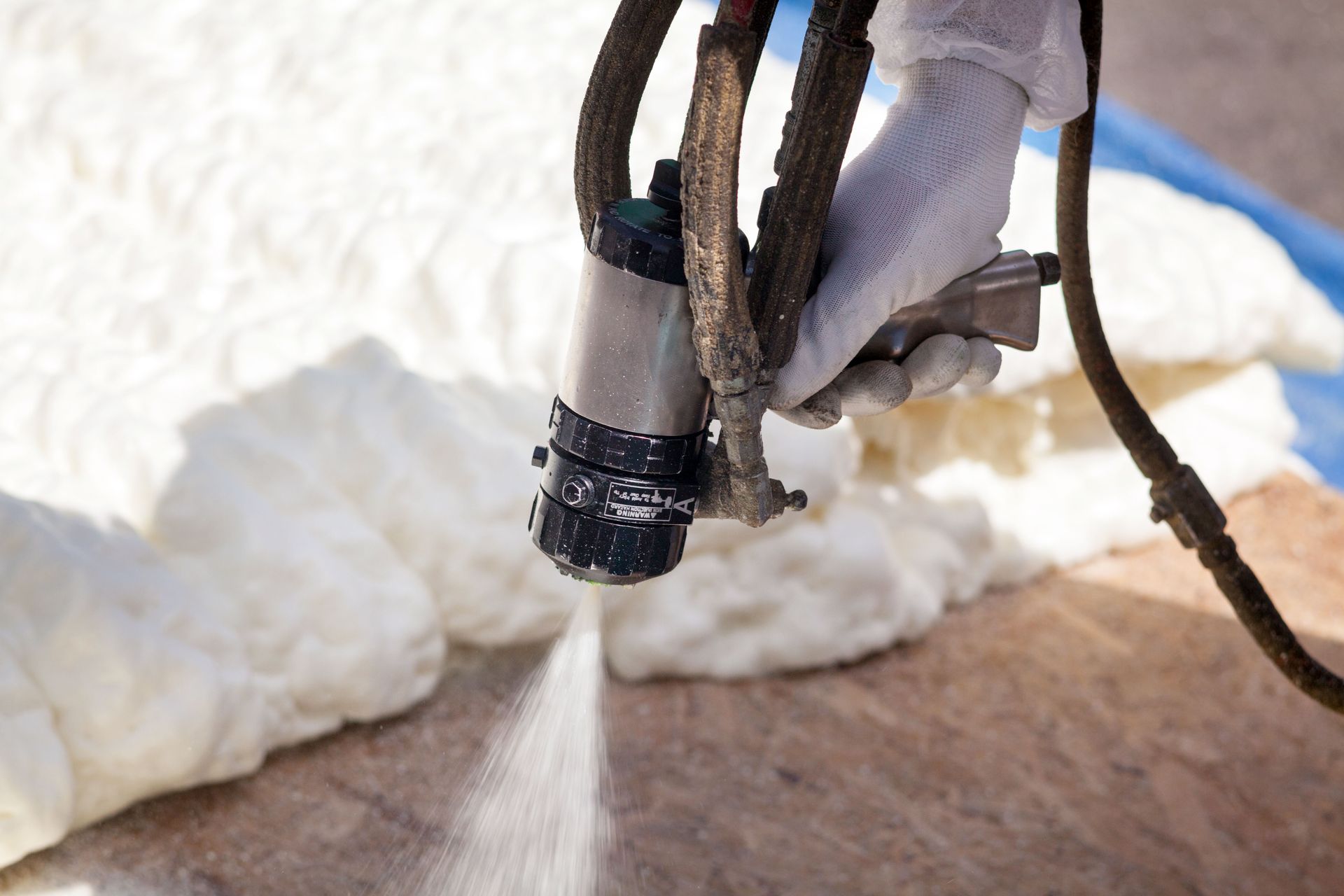
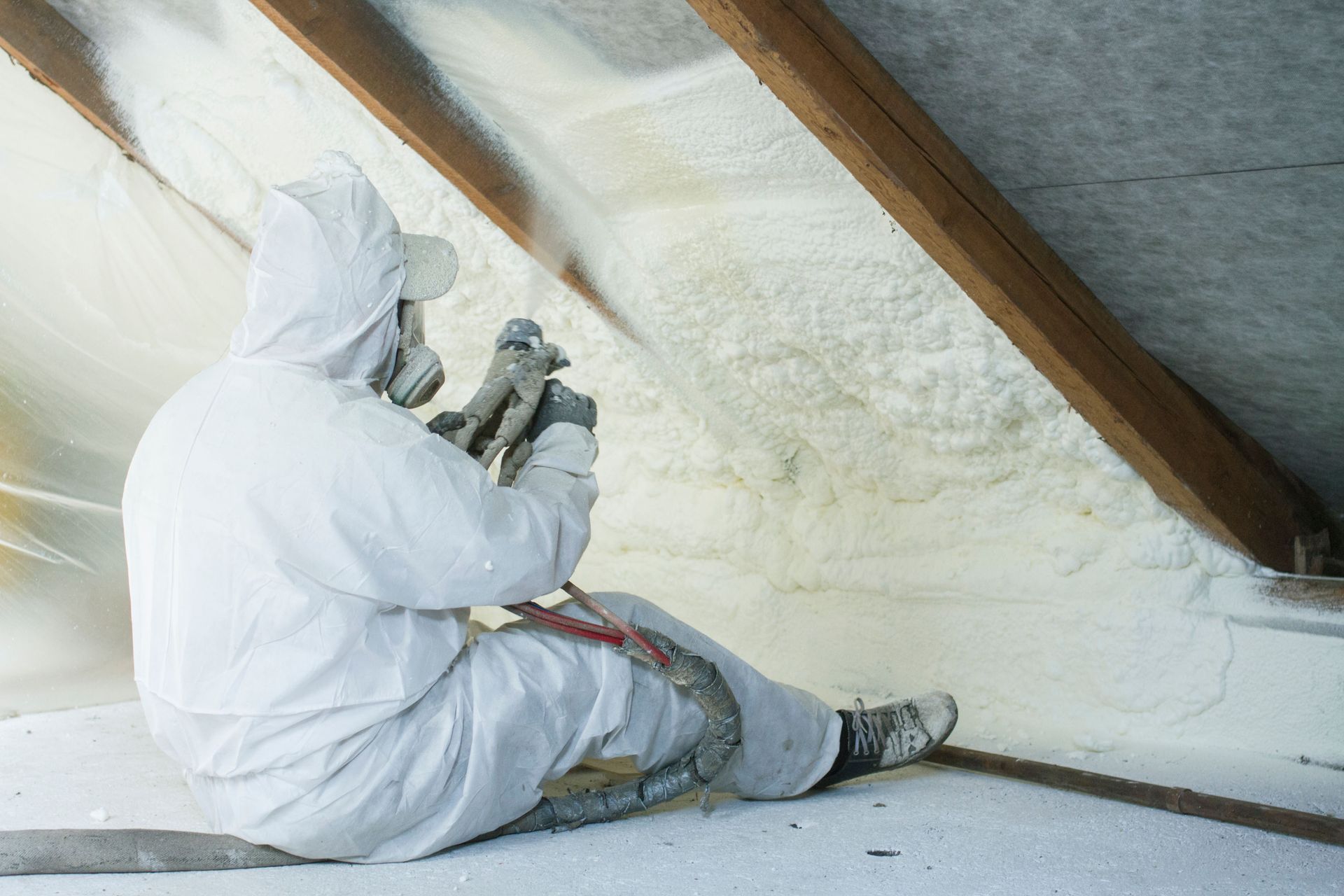
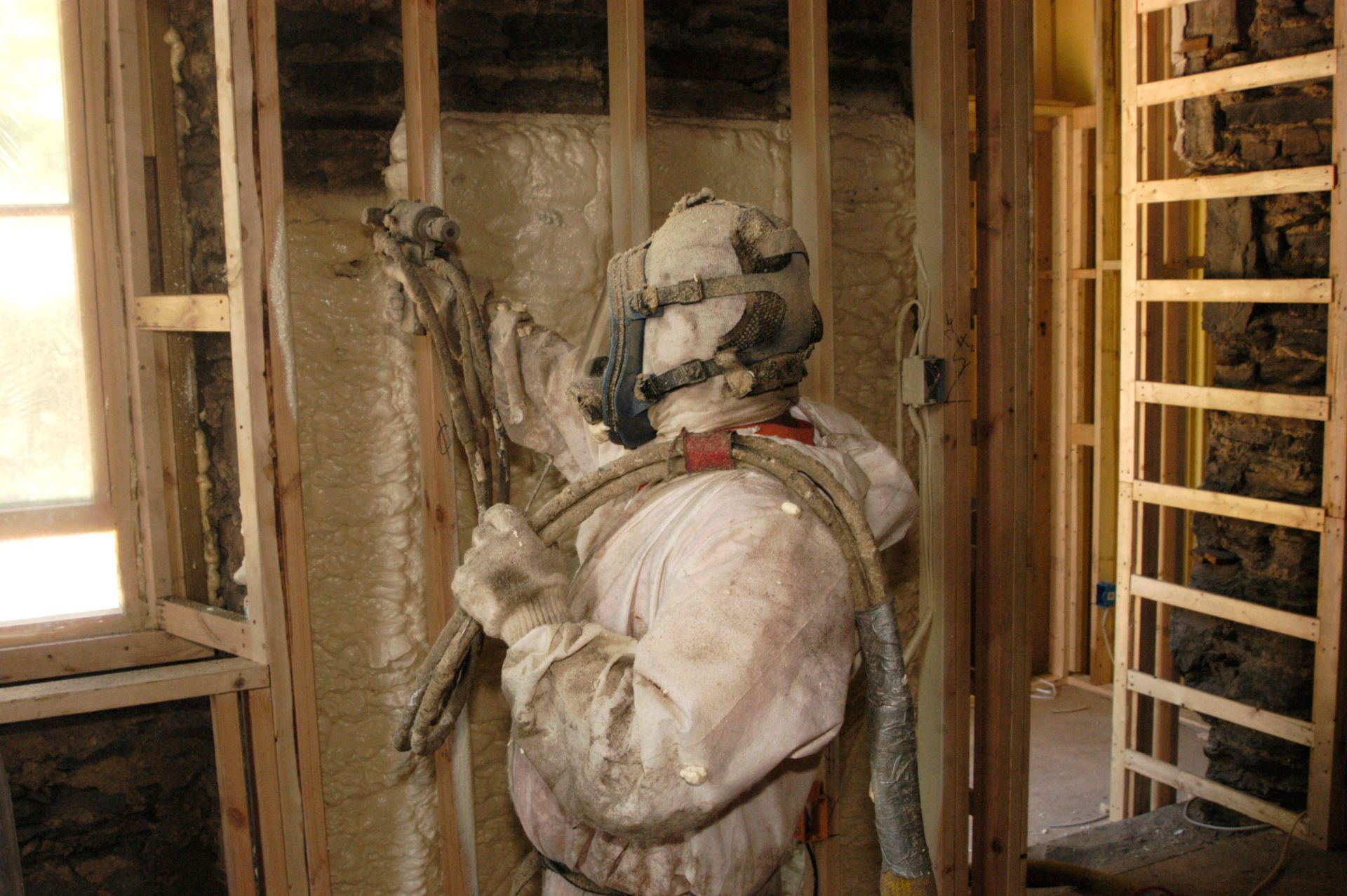
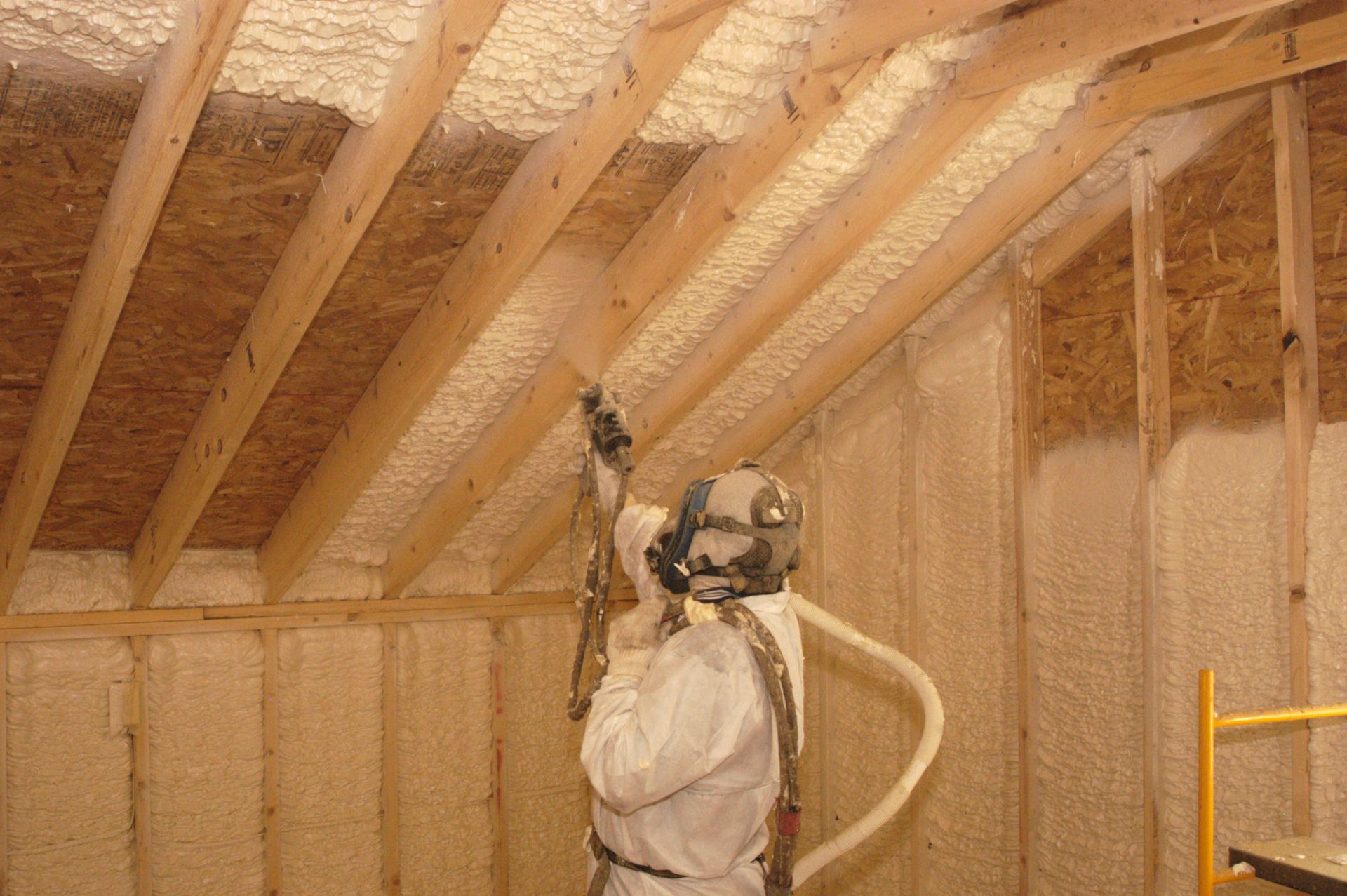
Spray polymers have gained immense popularity due to their superior air-sealing capabilities. According to Why Spray Foam, spray foam can insulate and seal your home, which can help lower your energy bills by 5% to 30% per year. Made from a reactive mixture that expands instantly upon application, this material grows rapidly to fill hidden gaps, cracks, and structural seams. This expanding property provides not only thermal resistance but also a seamless barrier against air leaks and moisture infiltration. Skilled insulation contractors recommend this advanced option for hard-to-reach areas and irregular framing configurations, making it an excellent choice for modern efficiency.
Radiant Barrier Implementations
Reflective or radiant barrier systems are uniquely designed to reflect radiant heat away from living spaces rather than absorbing it into the structure. Primarily utilized in residential attics, radiant barriers consist of a highly reflective material, usually aluminum, attached to a durable substrate. Professional insulation contractors utilize radiant barriers to reduce solar heat gain in hot southern climates, thus lowering seasonal cooling costs significantly. This type of reflective barrier is often combined with traditional loose-fill materials to provide a comprehensive defensive layer against all modes of heat transfer.
Climate Zone Selections
Selecting the appropriate thermal material is critical to optimizing regional energy efficiency based on local weather patterns. Experienced specialists analyze climate zones and recommend materials that best meet specific environmental challenges. For instance, zones with extreme winter temperatures benefit from the high thermal resistance offered by seamless foam products. Conversely, milder climates might be adequately served by standard loose-fill options. Choosing the right structural approach significantly enhances the longevity and performance of the building envelope while safeguarding interior comfort throughout the year.
Building Diagnostics Steps
The first step in effective thermal upgrades is properly assessing the physical needs of the structure. Field teams conduct thorough inspections to identify areas highly susceptible to energy loss, such as poorly treated crawlspaces, uninsulated rim joists, and open attic flats. This comprehensive evaluation helps determine the optimal depth and type of material needed. By understanding the unique characteristics of each architectural design, teams provide customized solutions tailored to maximize energy efficiency. A detailed assessment lays the groundwork for a successful structural upgrade that delivers measurable benefits.
Biodegradable Material Alternatives
Biodegradable building products represent a significant stride toward environmental sustainability within the modern construction industry. Made from natural, agricultural, or recycled organic components, these eco-friendly options provide sustainable alternatives to traditional products. Forward-thinking companies incorporate renewable choices to meet strict green building certification standards and reduce overall carbon footprints. These sustainable materials offer highly comparable thermal performance to conventional options without introducing harmful chemical emissions or manufacturing waste into local communities.
Government incentives and regional utility support programs provide powerful motivation for property owners to invest in immediate building envelope upgrades. Many federal, state, and local agencies offer substantial tax credits, financial rebates, and direct grants to encourage energy efficiency improvements. Field specialists are well-acquainted with these complex incentive programs, guiding clients through the paperwork to maximize financial returns. These financial aids minimize initial capital requirements, making high-performance upgrades accessible to everyone through Elite Spray Foam Solutions LLC.