January 13, 2026
Creating a comfortable and energy-efficient home starts with understanding what goes on behind the walls, in the attic, and in all the hidden spaces where insulation makes the biggest impact. Many homeowners know about traditional fiberglass or cellulose insulation, but spray foam has become one of the most effective modern solutions for reducing energy loss. To help you better understand what really happens during installation, this guide takes you behind the scenes and walks you through each step of the process from preparation to application and final inspection. Along the way, you will see how every phase comes together to create a tighter, more durable, and more efficient home.
Spray foam insulation is valued for its ability to expand, seal gaps, and deliver long-lasting energy savings. While it may look simple once completed, the installation process involves detailed planning, specialized equipment, and expert technique to ensure the foam performs as intended. By understanding how professionals complete each step, you can make more confident decisions about improving your home and recognize the level of skill required to achieve the best results.
The Assessment Phase Before Installation Begins
Before any equipment is brought inside, a thorough assessment is the first step in every project. This initial inspection allows professionals to evaluate the home, determine where insulation is needed, and identify any issues that must be addressed before installation. During the assessment, technicians examine areas such as attics, crawl spaces, walls, rim joists, and basements to understand how much material will be required and what type of spray foam will deliver the best results.
This phase is also when the team checks for moisture issues or ventilation problems that could impact insulation performance. Addressing these concerns early helps prevent future damage and ensures the foam can adhere properly to all surfaces. The assessment gives homeowners a clear outline of what to expect, how long the job should take, and what improvements they can look forward to after installation.
It is during this stage that experienced spray foam insulation contractors review any concerns you may have about indoor comfort or energy costs. Their expertise helps guide decisions and ensures each area of the home receives the attention it needs. The assessment provides a roadmap for a smooth and efficient installation day.
Preparing the Home and Work Area for Application
When installation day arrives, preparation becomes the central focus. Although it might not be the most exciting part of the process, proper preparation is crucial for a successful outcome. The crew begins by clearing the workspace to make sure surfaces are accessible and free from obstacles. Items stored in attics or basements may need to be moved, and dust or debris is removed to improve adhesion.
Next, the team protects areas that are not being insulated. This includes covering floors, windows, mechanical equipment, and electrical panels. The preparation also includes sealing off the workspace to manage ventilation. Because spray foam expands when applied, maintaining good airflow is important for safety and quality. Ventilation equipment helps direct fumes and ensure a clean, controlled environment for the installers.
The Application Process and Expansion of the Foam
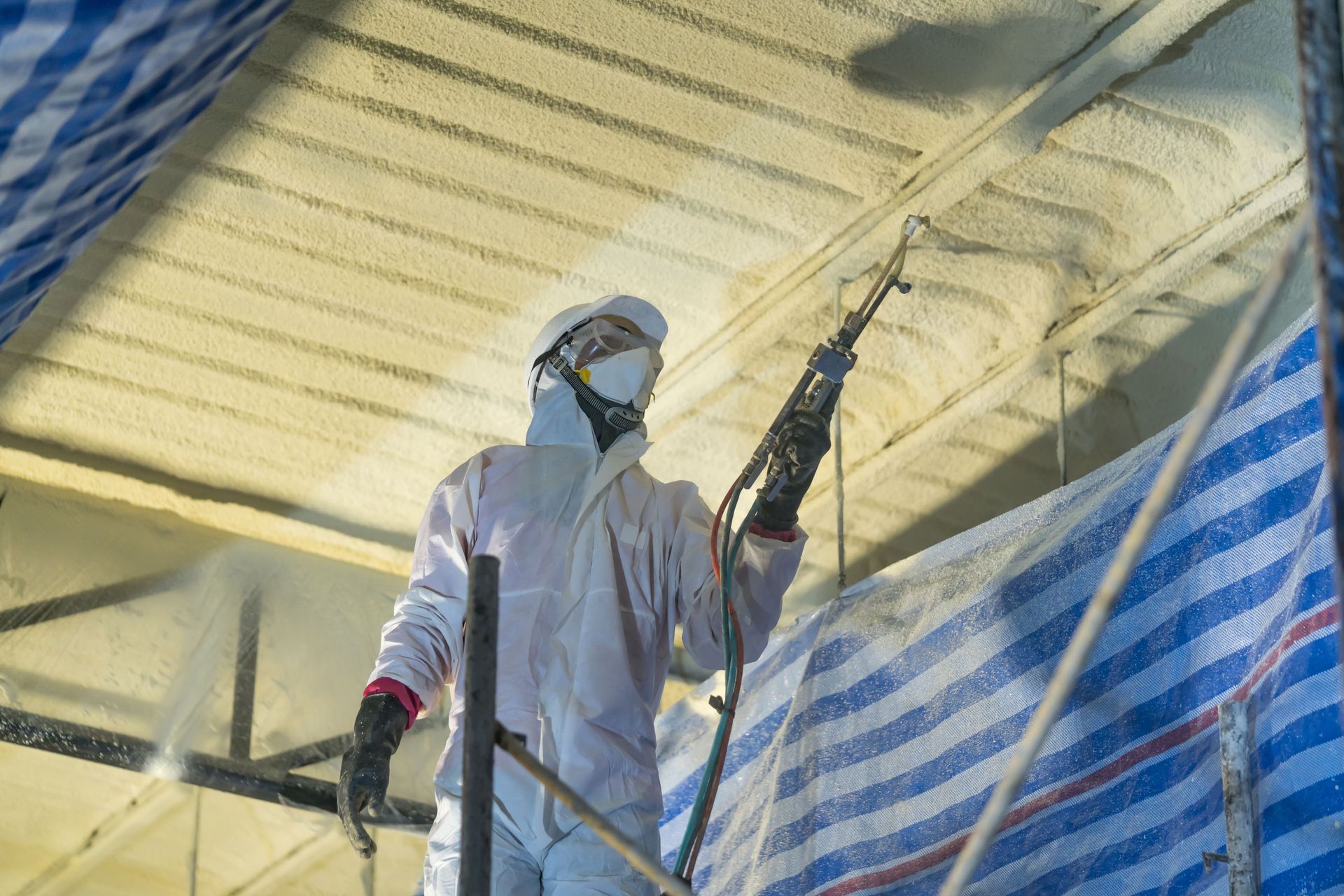
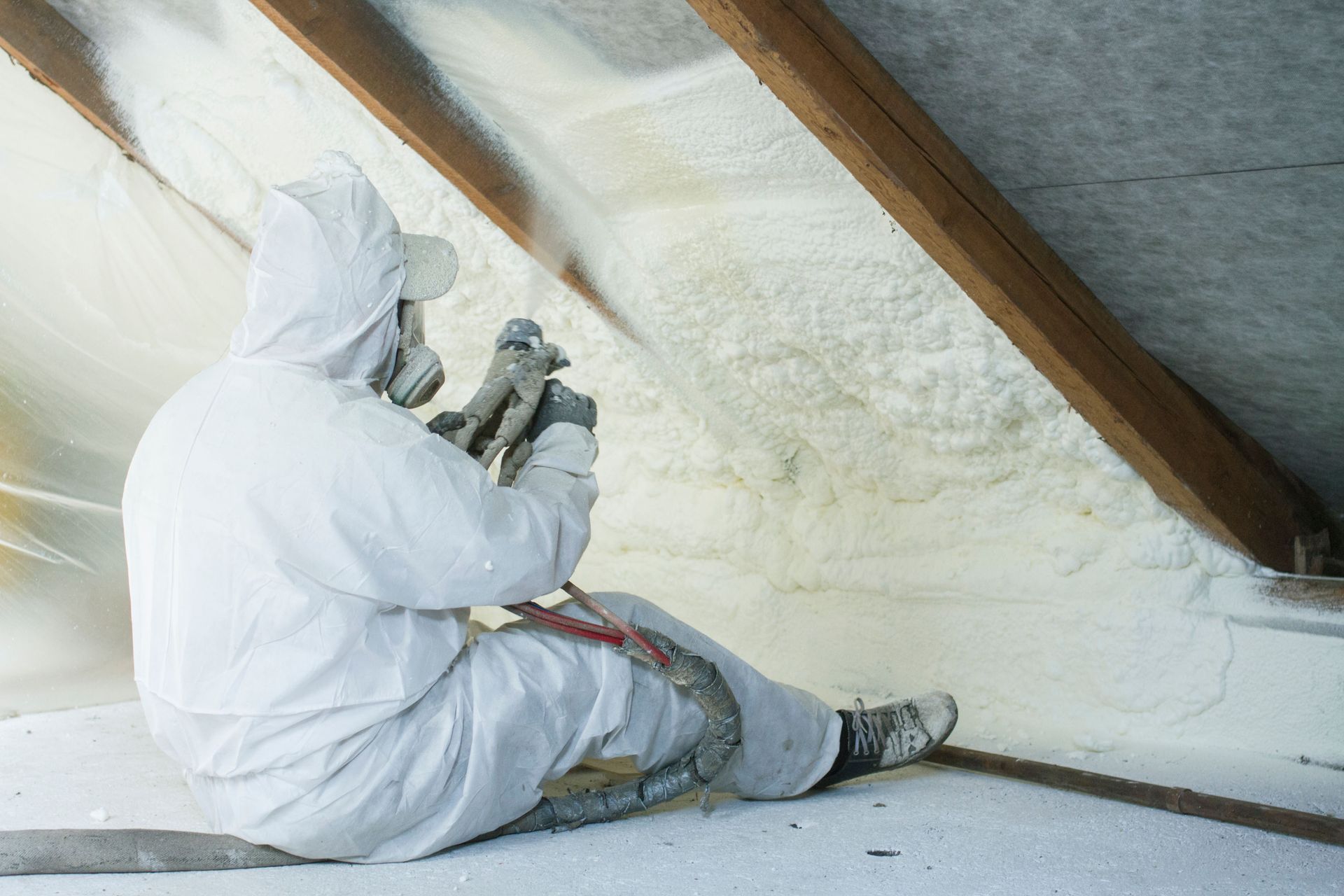
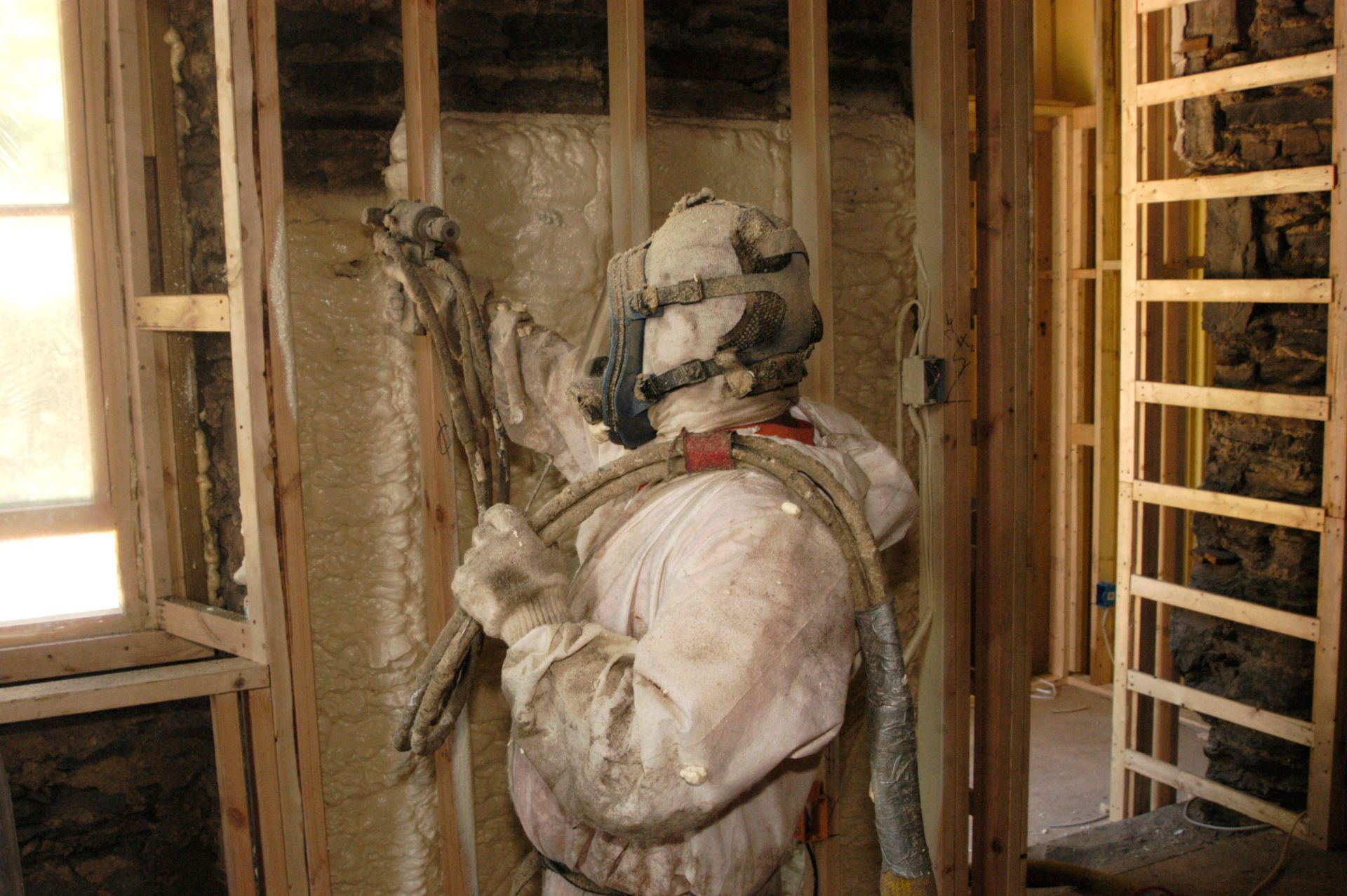
With the home prepped and equipment ready, the application stage begins. Spray foam is created by combining two liquid components that react quickly when mixed. These components travel through heated hoses and are combined at the spray gun just seconds before application. Once sprayed onto a surface, the foam expands rapidly to fill gaps, cracks, and hard-to-reach spaces.
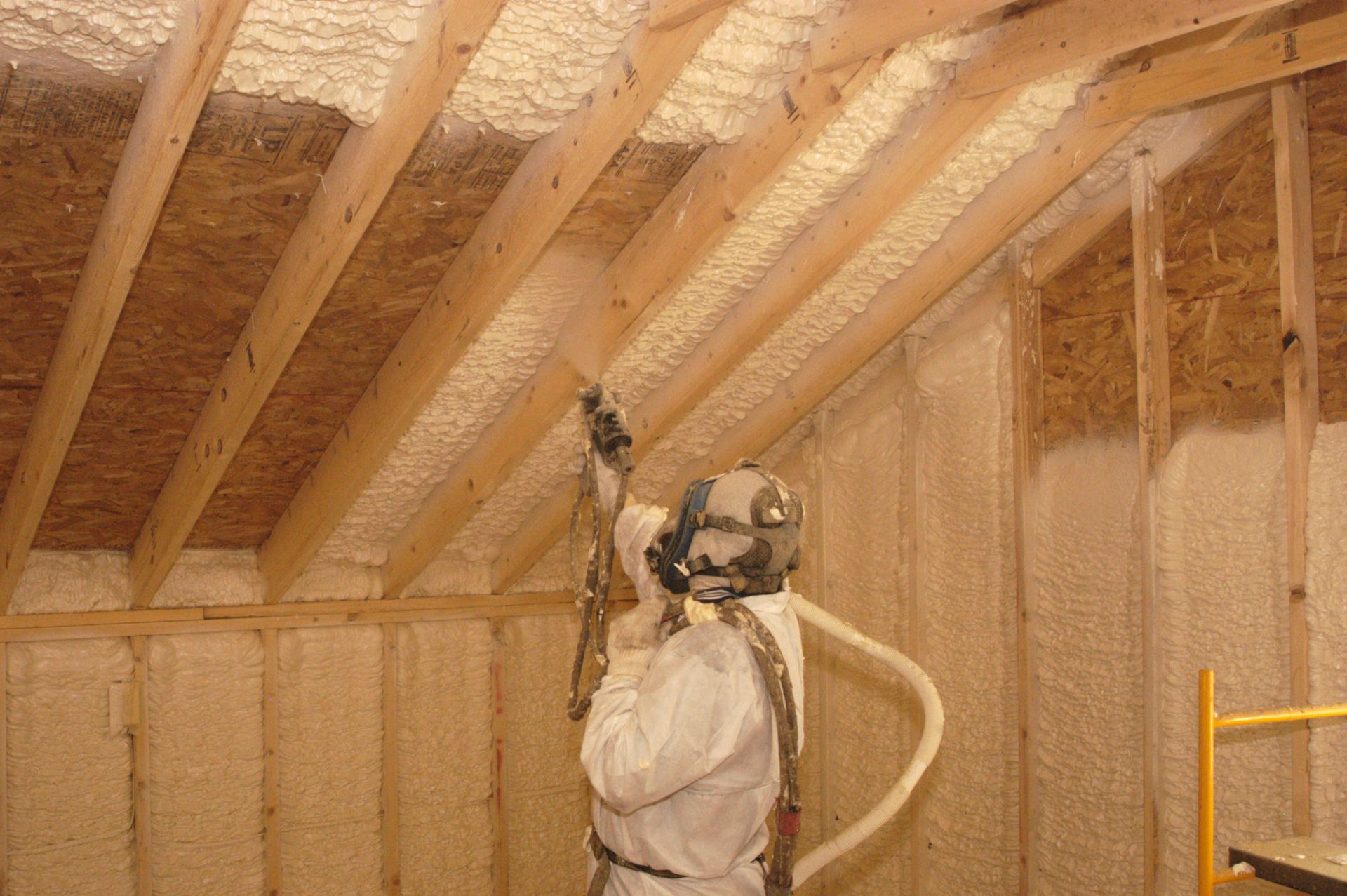
The technician applies the foam in controlled passes to prevent overexpansion and ensure an even layer. The expansion is one of the main reasons spray foam delivers such high performance. It forms an air barrier that helps maintain consistent indoor temperatures and reduces strain on heating and cooling systems. This characteristic sets it apart from traditional insulation, which cannot seal air leaks as effectively.
The method used during application varies depending on whether open-cell or closed-cell foam is selected. Open-cell foam expands more and is lightweight, making it ideal for interior walls and sound reduction. Closed-cell foam is denser, more rigid, and excellent for moisture control and strengthening structural components. Skilled spray foam insulation contractors understand how to apply each type correctly and know how to adapt the technique for different areas of the home.
The ability of spray foam to expand and seal is especially important when considering energy efficiency. According to the American Chemistry Council, air leaks waste up to 40% of the energy used to heat and cool a single-family home. This statistic highlights why high-quality installation matters and why properly applied foam can significantly reduce wasted energy over time. The application stage is one of the most impressive parts of the entire process because homeowners can watch gaps disappear and see the foam take shape in real time.
Final Trimming, Shaping, and Detailed Quality Checks
After the foam has fully expanded and cured, the next step is trimming and shaping. Excess material is removed to create a smooth surface that fits cleanly within the framing. This is especially important when insulating wall cavities that will later be covered with drywall. Trimming helps ensure there are no bulges, uneven areas, or overfilled spaces.
Following trimming, the team conducts a series of detailed quality checks. They verify that the foam has fully adhered to the substrate, that there are no missed areas, and that the thickness meets the required specifications. Special attention is given to corners, tight spaces, and transitions where insulation consistency matters most. This inspection phase demonstrates the level of craftsmanship that goes into the process and why professional installation makes such a difference.
Cleanup, Ventilation, and Post Installation Review
Once the insulation has passed inspection, the cleanup phase begins. Teams remove protective coverings, gather equipment, and dispose of any trimmed foam pieces. Proper cleanup ensures the worksite is left neat and that the home is ready for normal use. Although spray foam cures quickly, homes are typically ventilated for a short period after installation to maintain air quality and allow any remaining odors to dissipate.
During the post-installation review, homeowners are walked through the completed areas and given an overview of what was done. This is a perfect time to ask questions about maintenance, additional energy-saving opportunities, or future projects. Knowledgeable spray foam insulation contractors can offer guidance on how the insulation will perform throughout the seasons and what improvements homeowners can expect on their energy bills.
This final stage brings the process full circle. From initial assessment to cleanup, every step works together to deliver a stronger, more energy-efficient home. The behind-the-scenes work that professionals complete is what ultimately ensures that the insulation will provide long-lasting comfort and reliable performance.
Understanding the spray foam insulation process from start to finish reveals just how much planning, precision, and expertise goes into creating a well-insulated home. Each phase plays a vital role in achieving the best results, from the careful assessment to meticulous preparation, controlled application, detailed inspections, and final cleanup. What might look simple on the surface is actually a carefully coordinated series of steps that require skilled hands and the right equipment.
If you are considering adding or upgrading insulation in your home, knowing what happens behind the scenes gives you the confidence to move forward with a solution that delivers long-term value. Spray foam insulation offers a remarkable combination of durability, performance, and efficiency, and the installation process reflects the level of dedication required to help your home operate at its best.
For top-quality results and a more energy-efficient home, trust the experts at Elite Spray Foam Solutions LLC. Contact us today to schedule a consultation with experienced spray foam insulation contractors who can help you maximize comfort and savings.